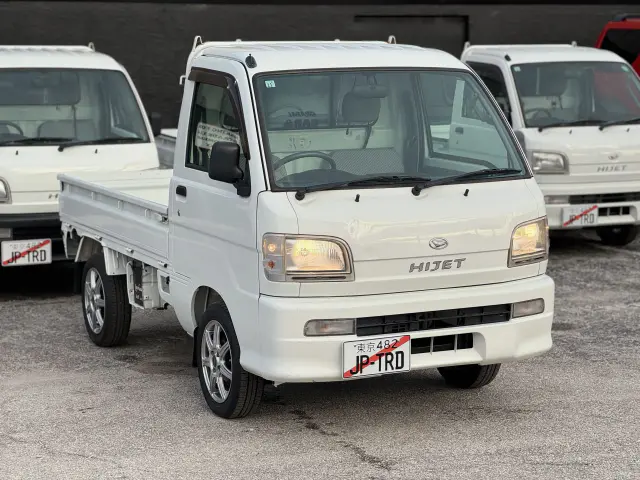
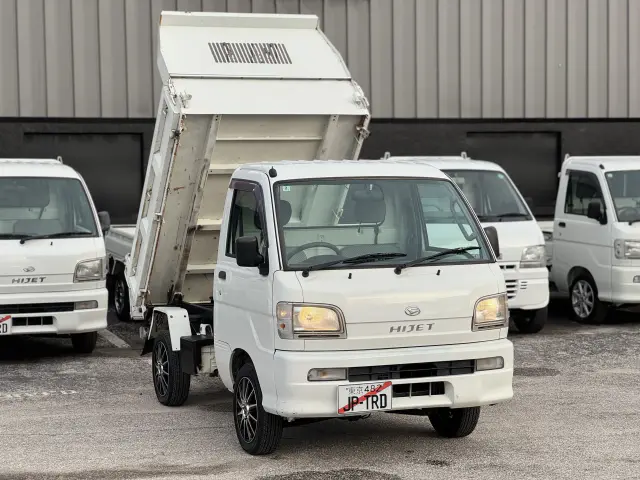
- A/C
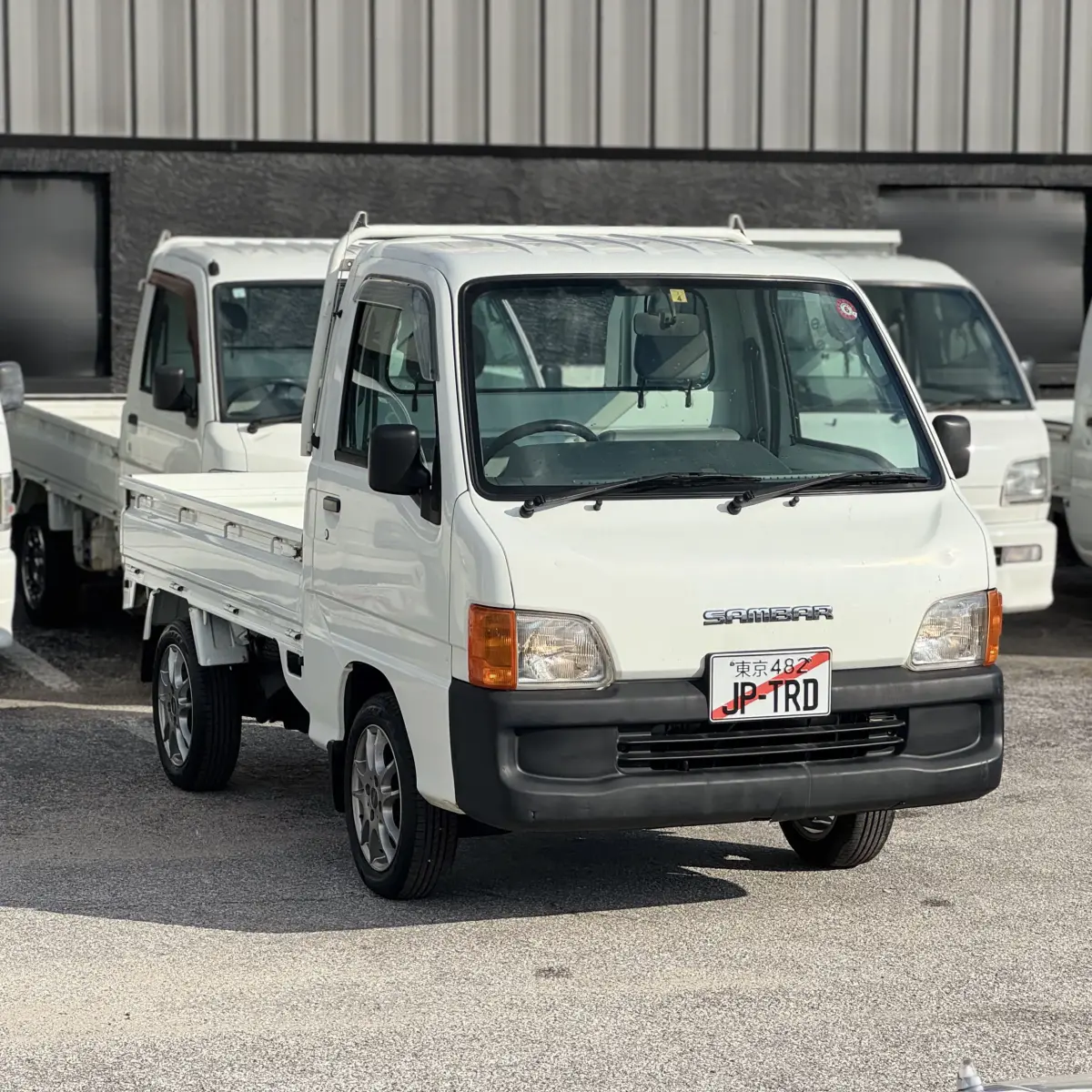
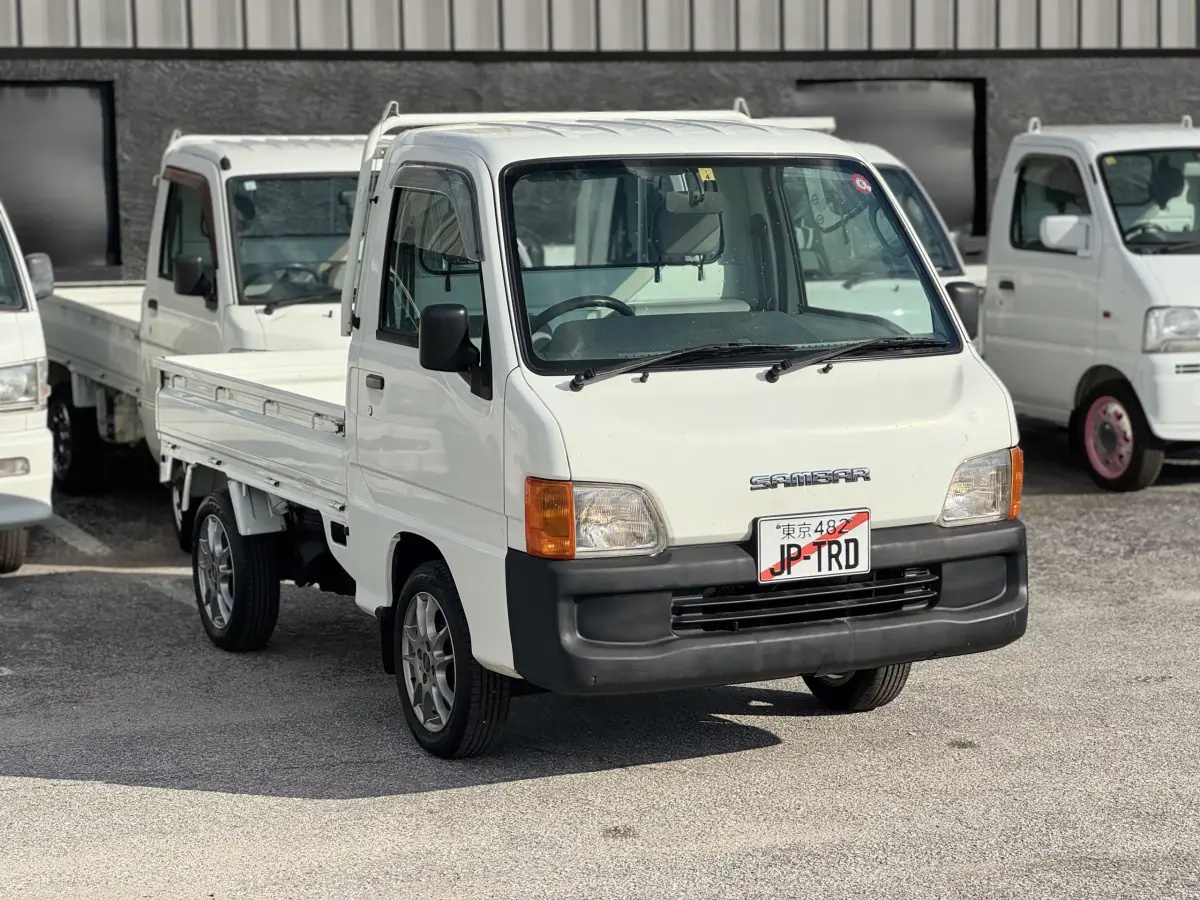
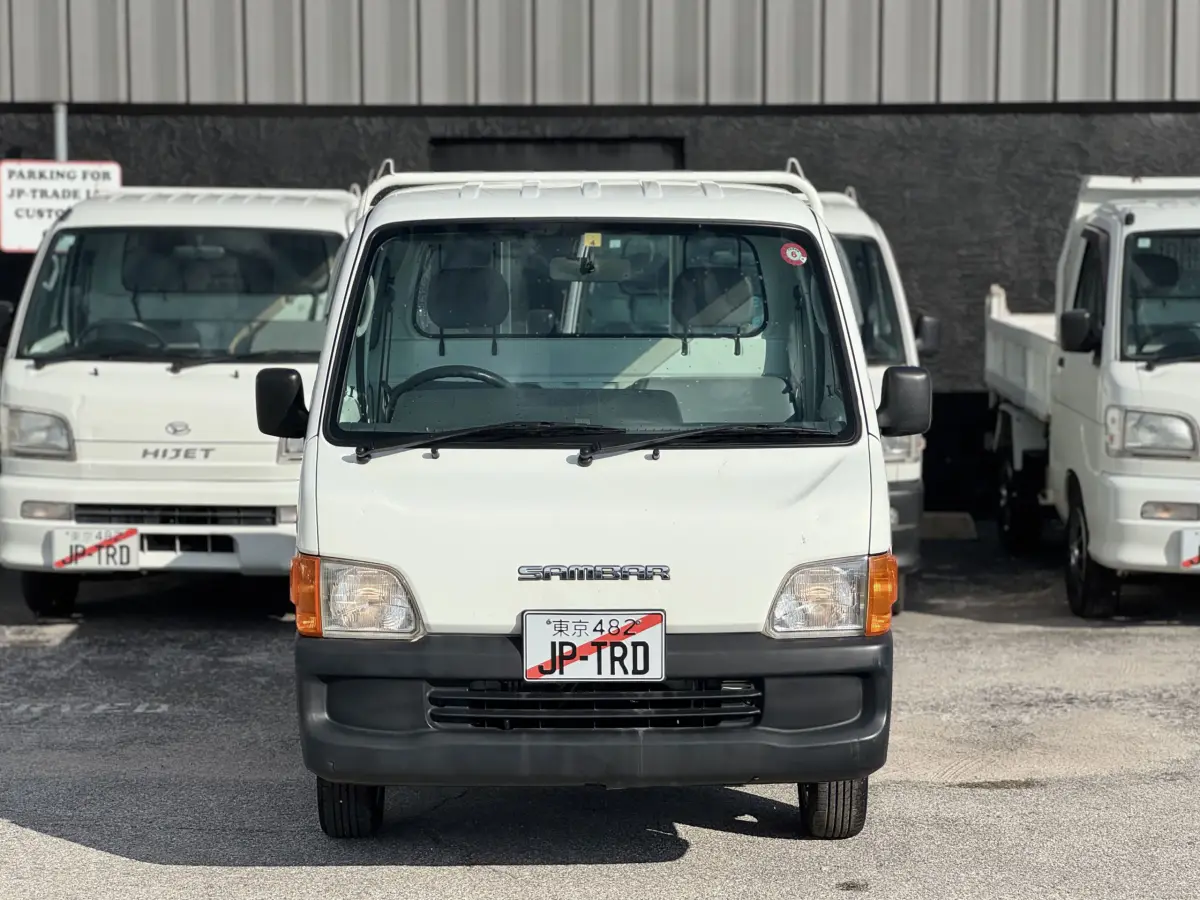
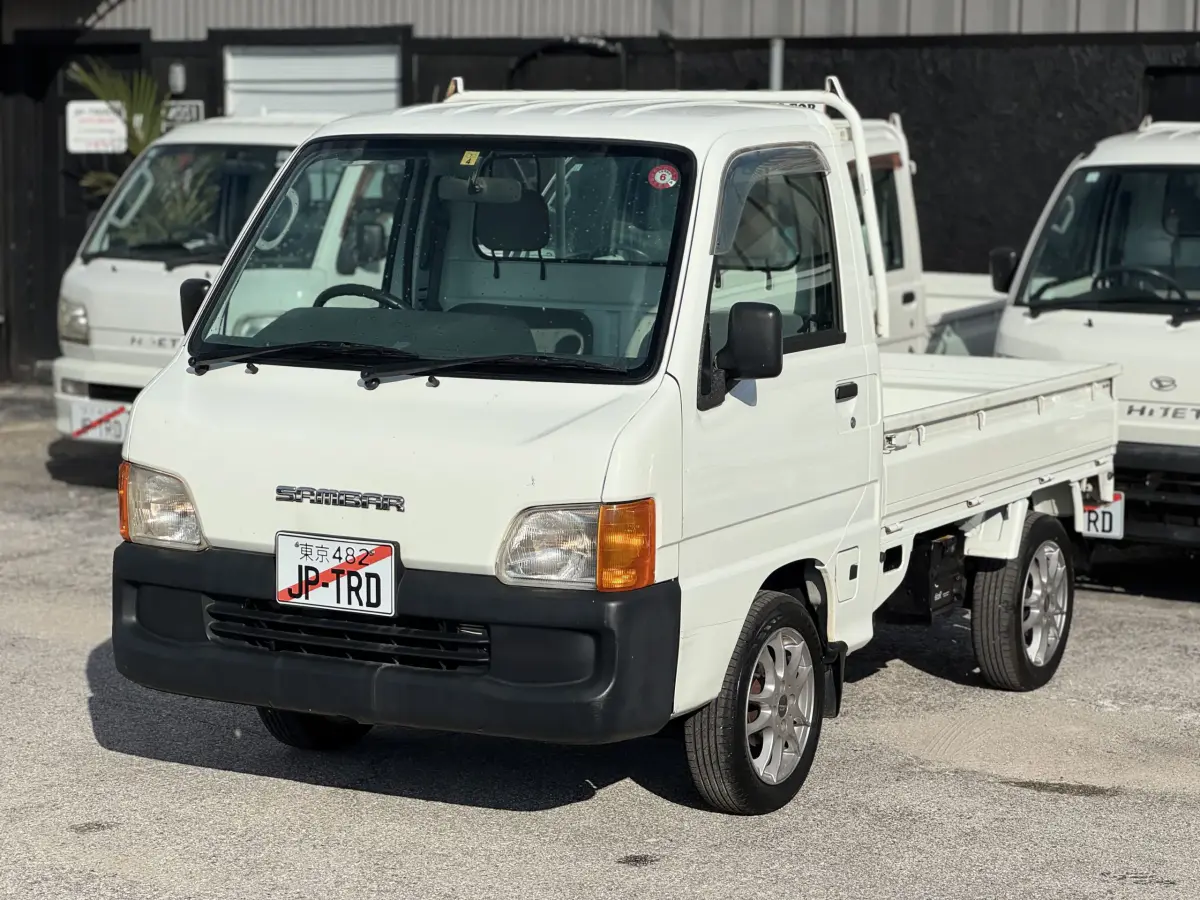
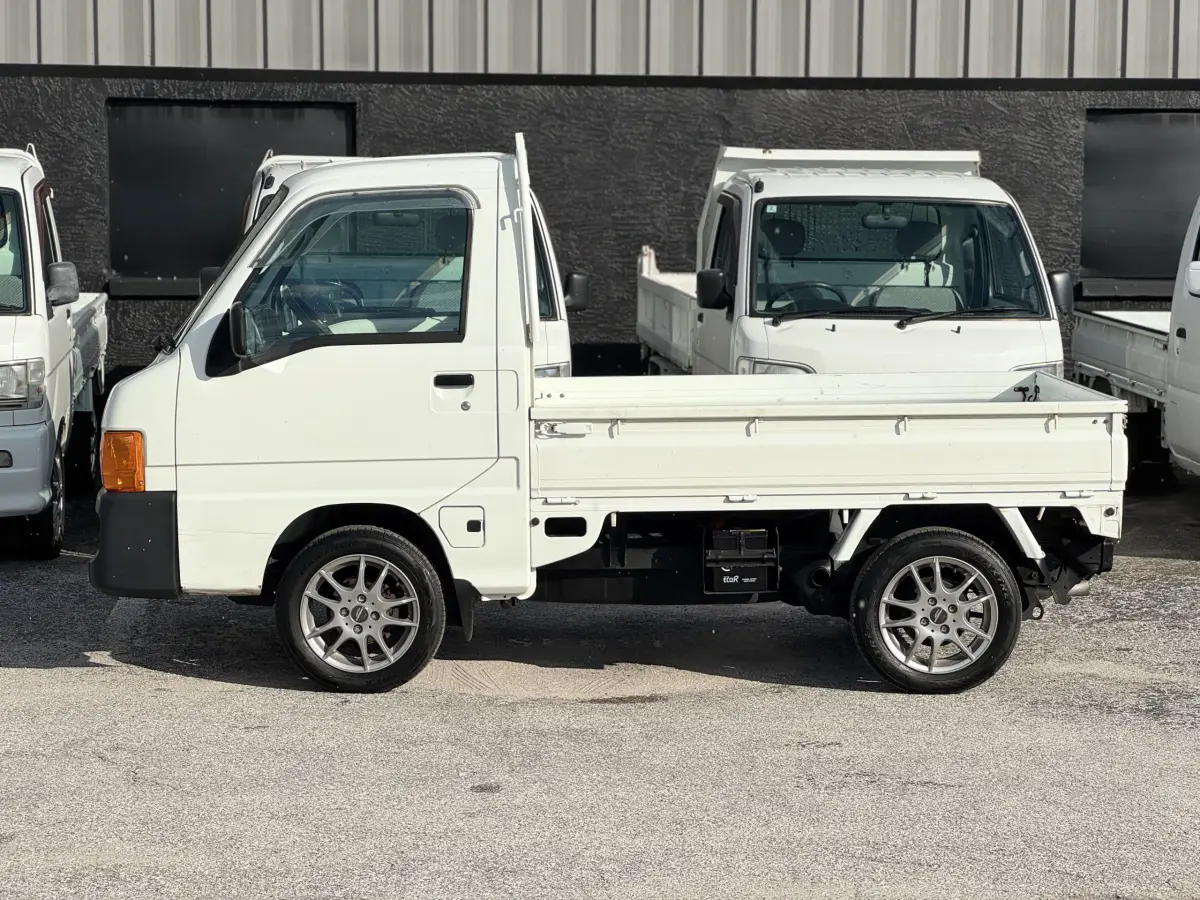
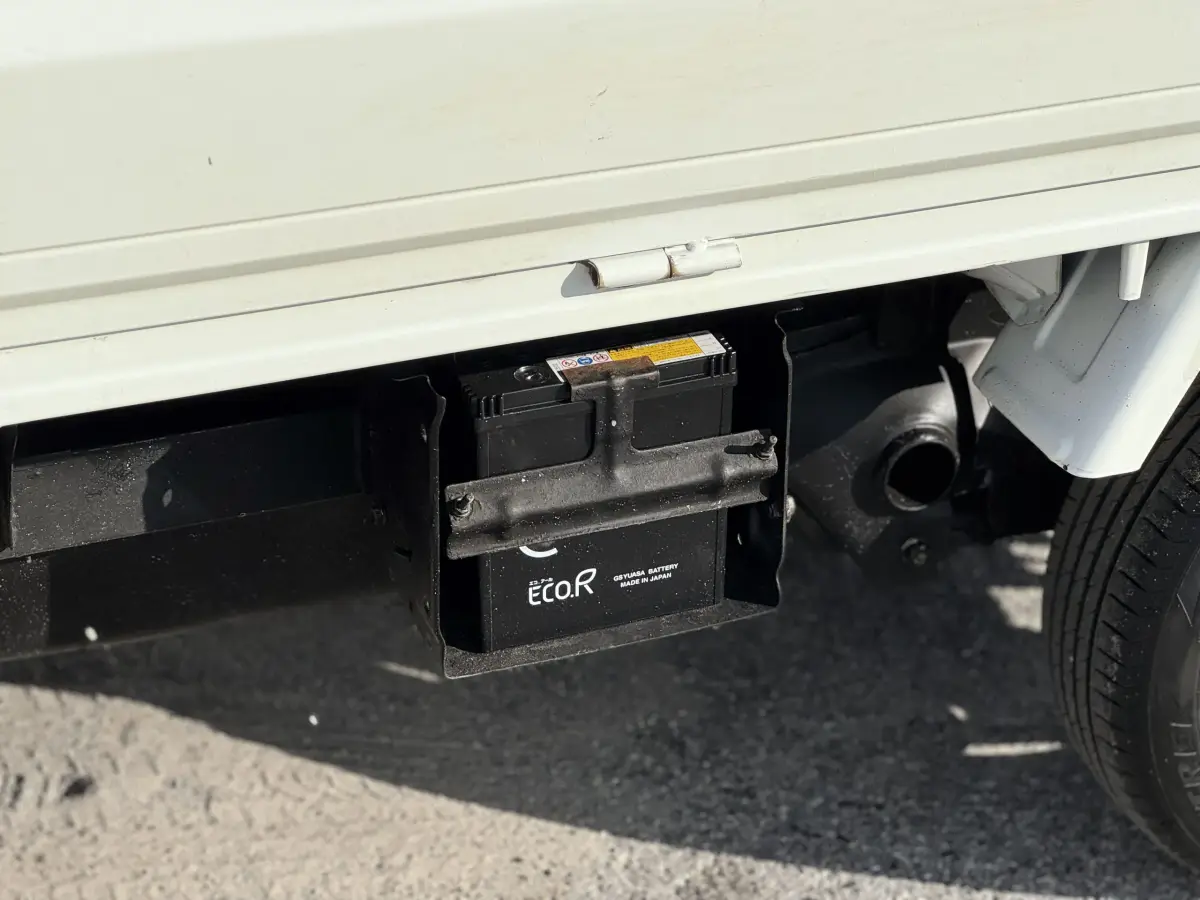
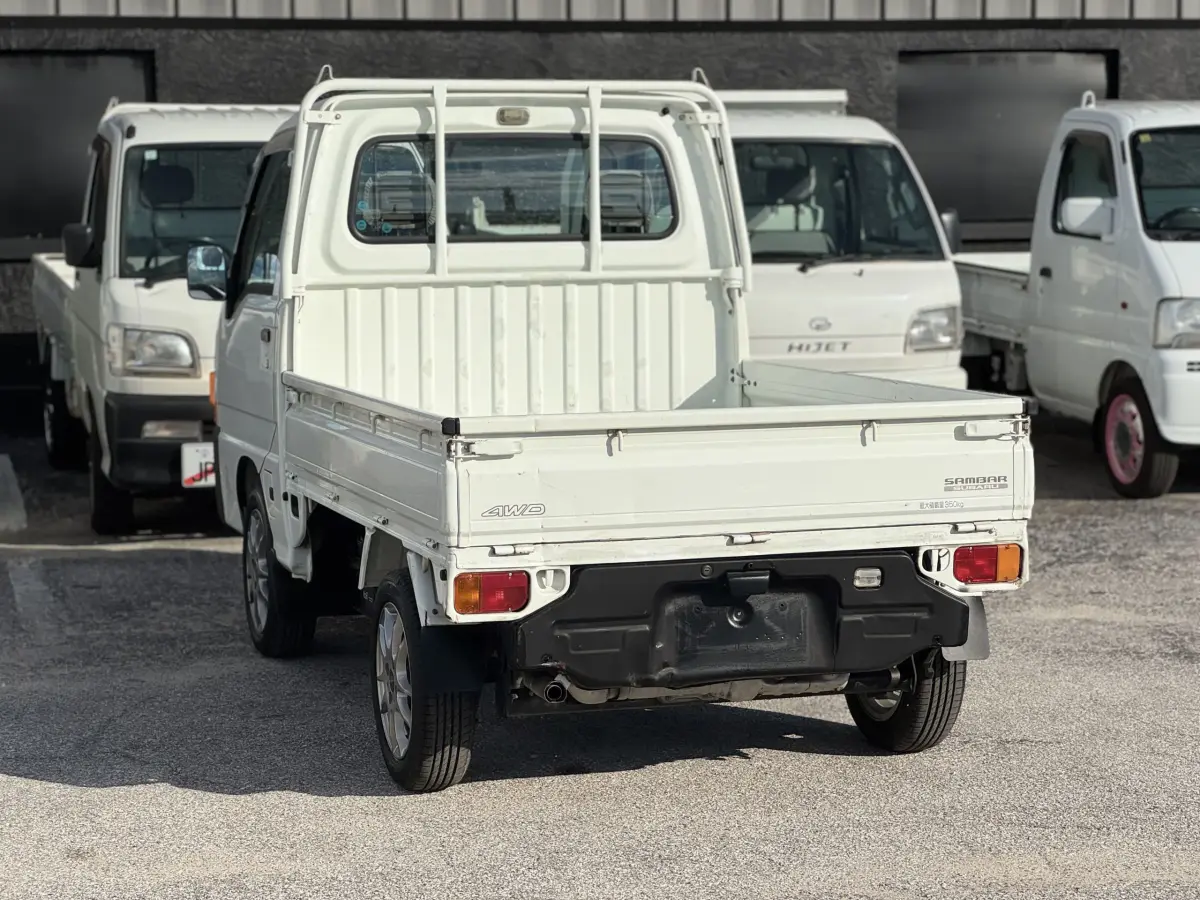
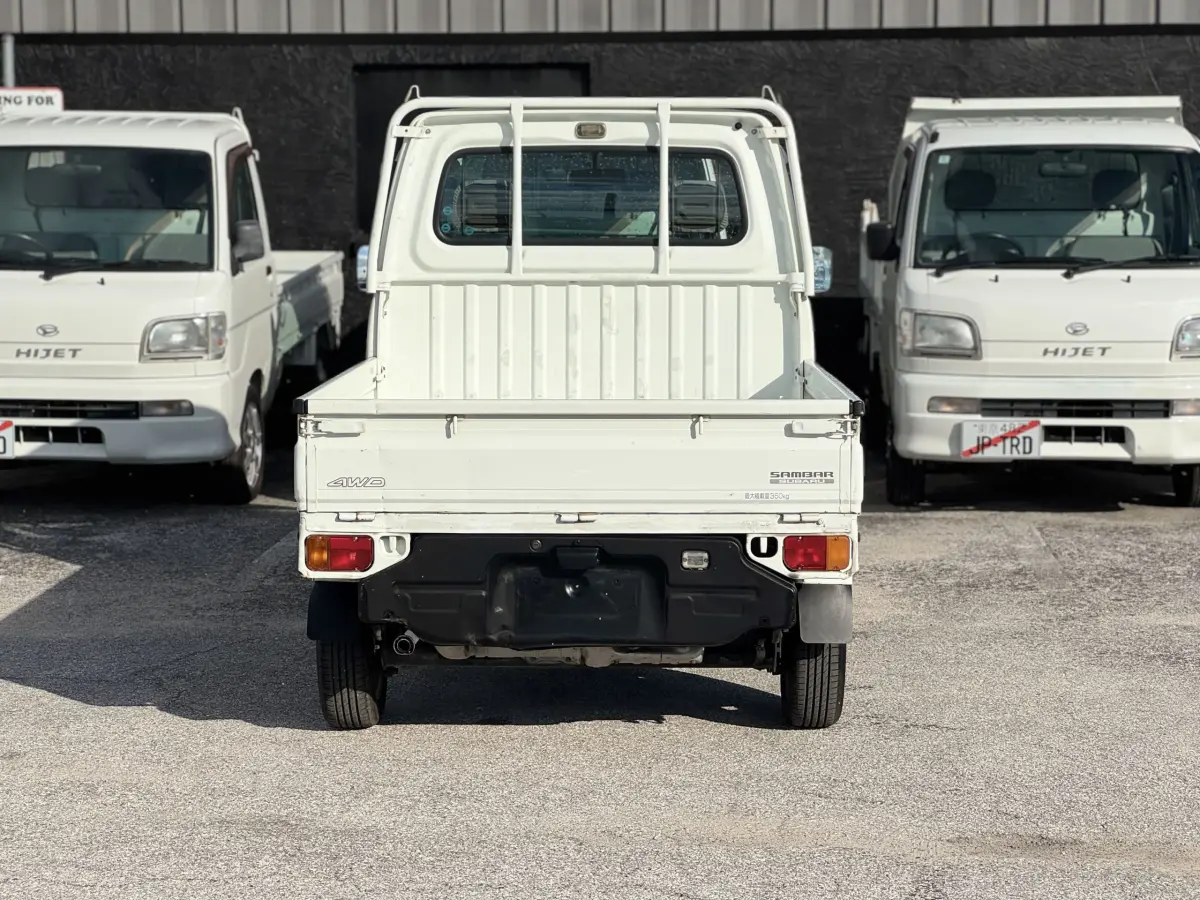
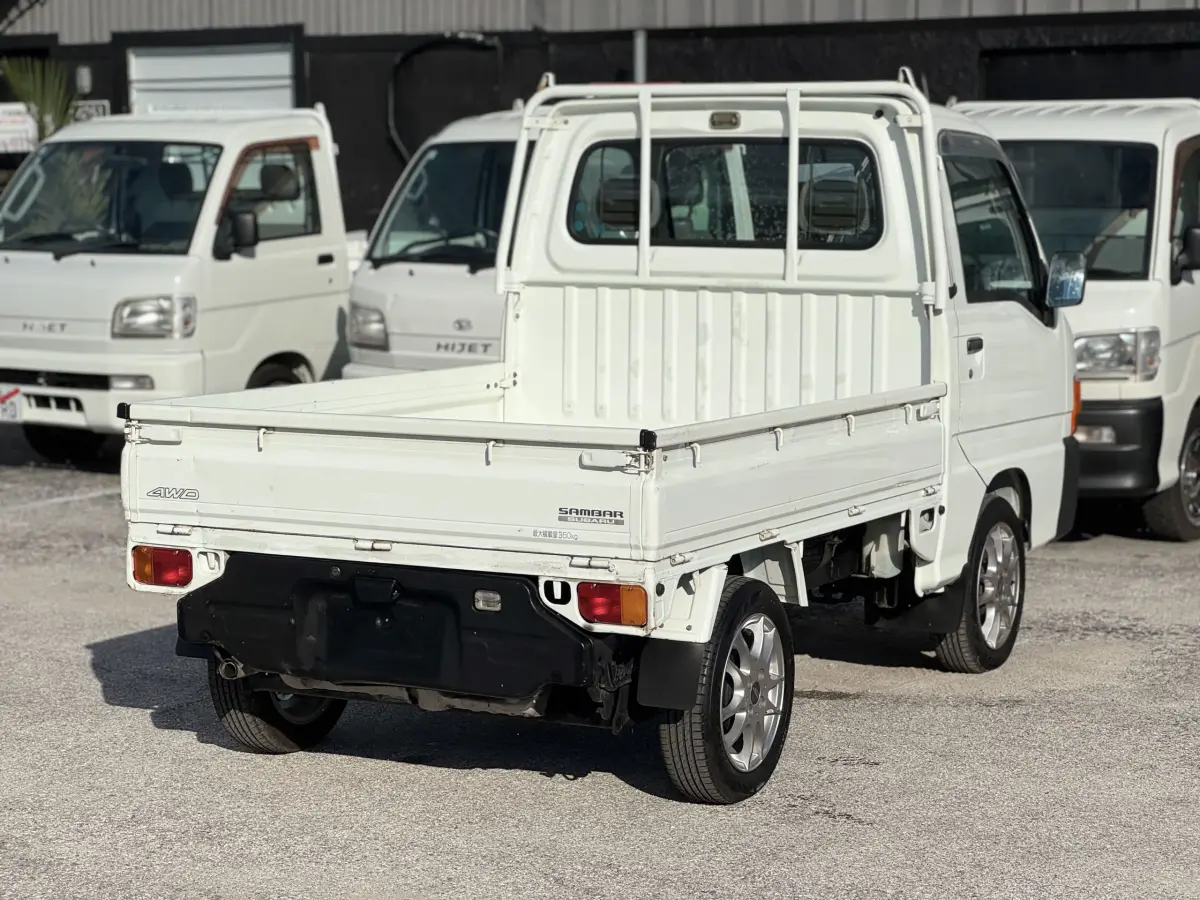
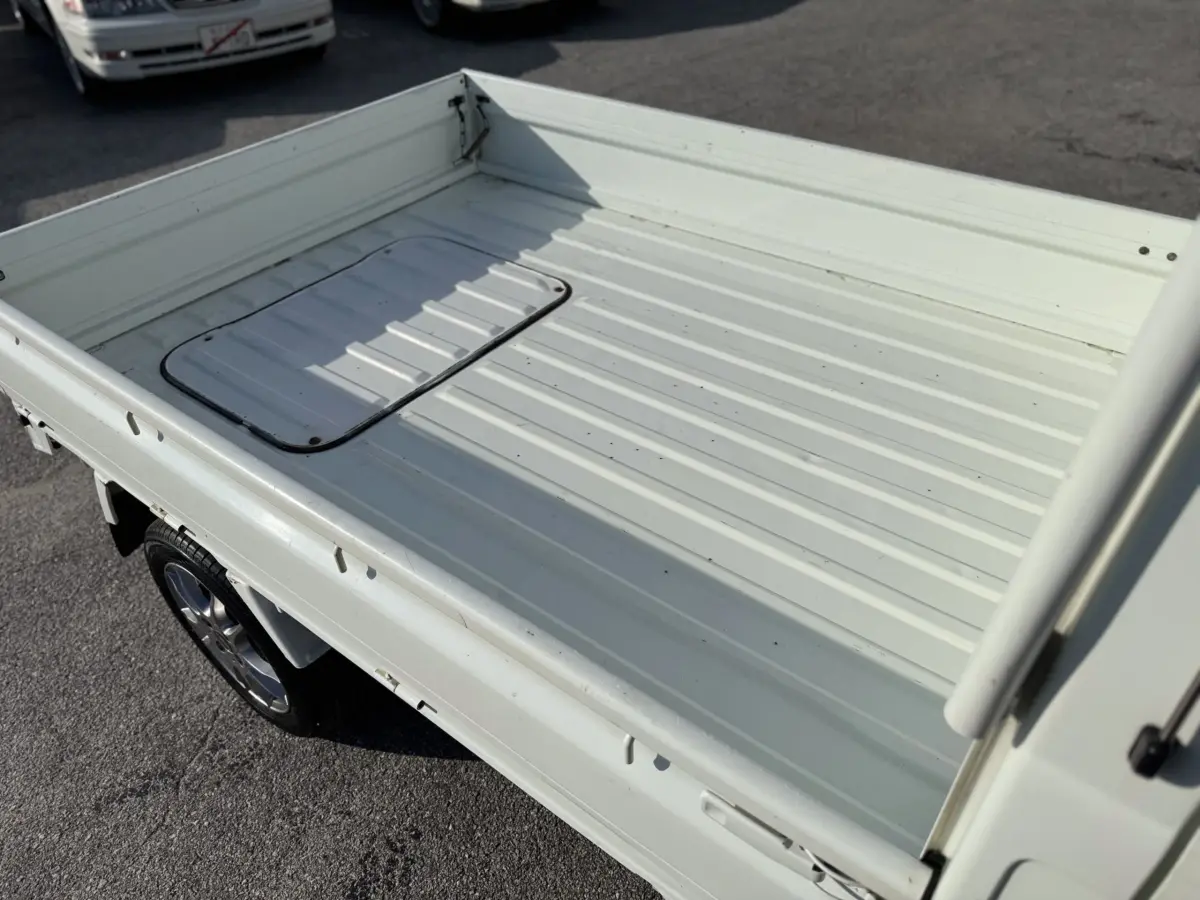
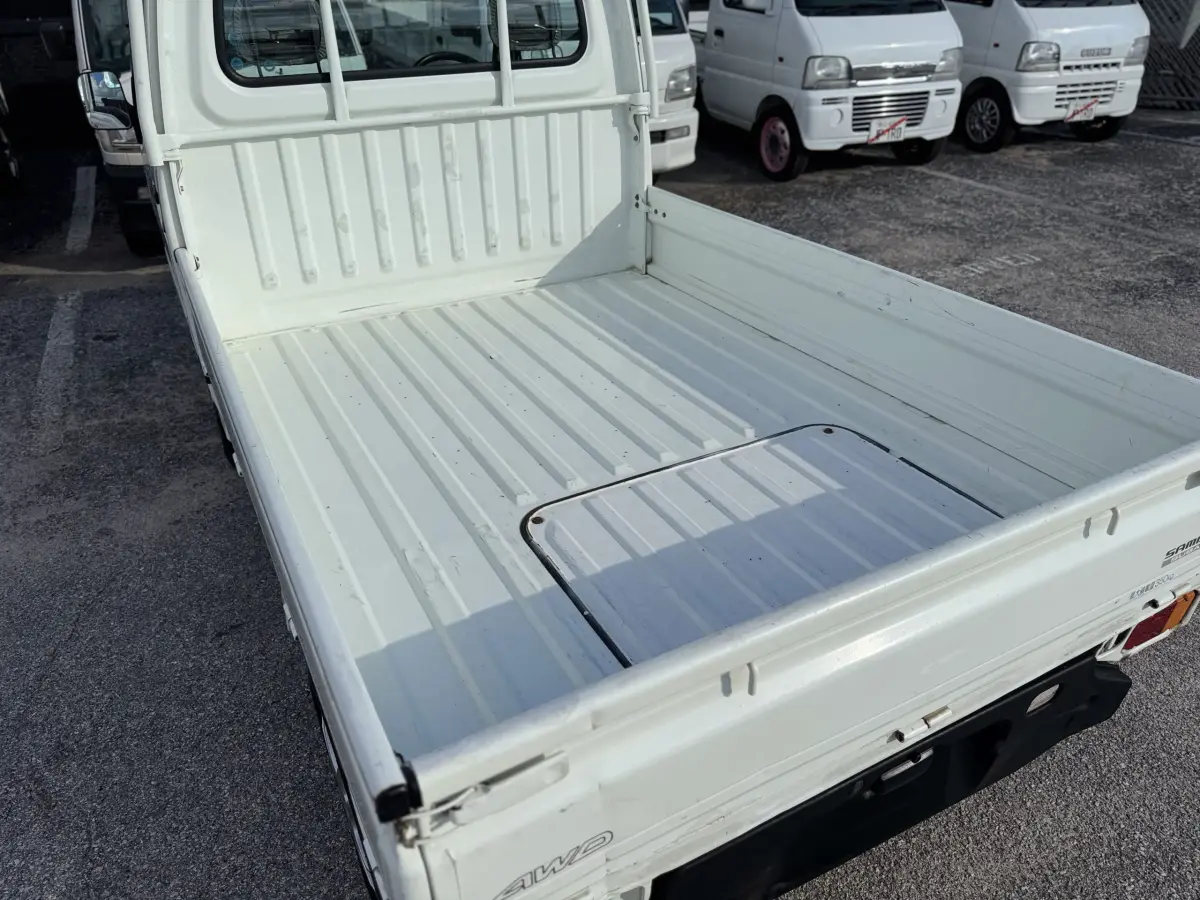
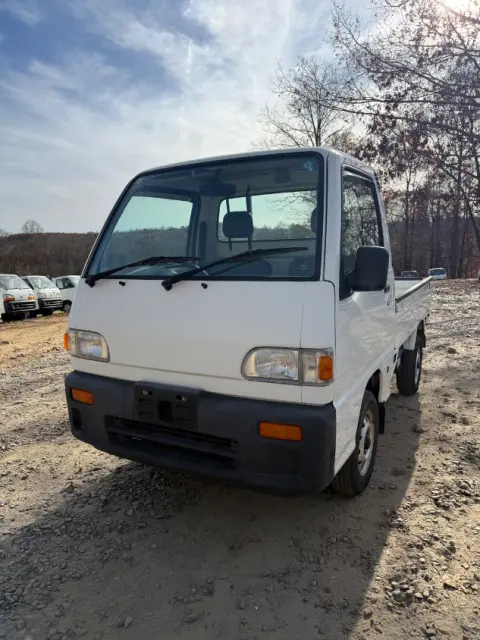
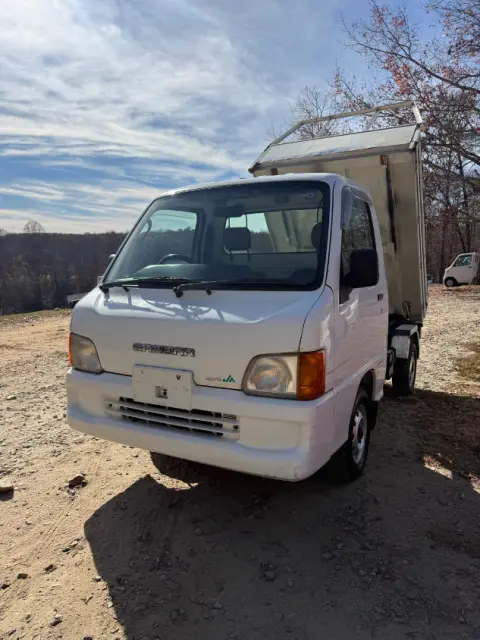
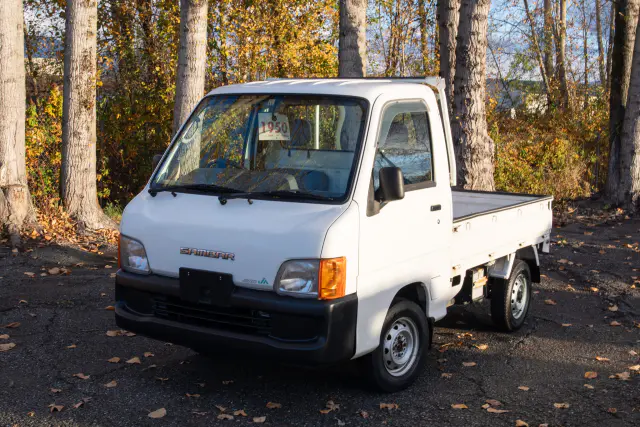
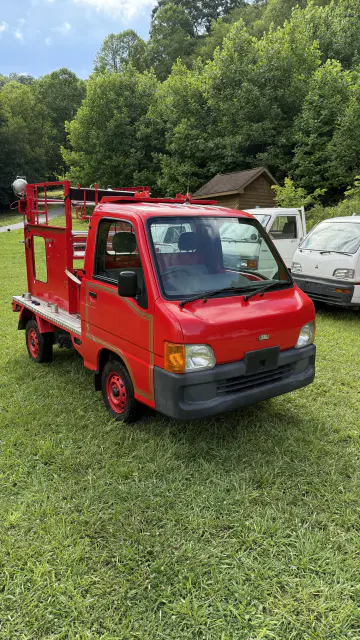
1999 Subaru Sambar 4WD
Sold
- A/C
- Yes
- Transmission
- Manual
- Drive
- 4x4
- Generation
- 6th gen, TT2
- Mileage
- 46,980 miles (75,622 km)
- Location
- Holiday, FL
- Availability
- Sold
About this Kei Truck
Built in 1999, this Kei Truck is old enough for the 25-year import rule. It's a 6th gen Sambar, chassis code TT2: the code to use when you order parts or read our Subaru Sambar guide. Per the dealer, it has 4x4, a manual transmission and air conditioning. 2 more Kei Trucks from JP-TRADE USA are listed here.
Road legal in most states
This truck is at least 25 years old, so it could be imported legally, and most states let you register it for the road, some with limits. In Florida, where this dealer is, Kei Trucks are legal on the road with limits. Read the Florida Kei Truck laws or check your state before you buy.
Specs
From the dealer
1999 Subaru Sambar TB, EN07V 660cc 4-Cylinder, 4WD, Manual, 46,980 Miles
How We Prepare Every Vehicle
Every vehicle we sell goes through the same preparation process before it leaves us. On this Sambar we also addressed the known weak points specific to the platform.
- Engine oil and filter replaced, oil selected for Florida climate
- New coolant
- New brake fluid
- New spark plugs
- New battery
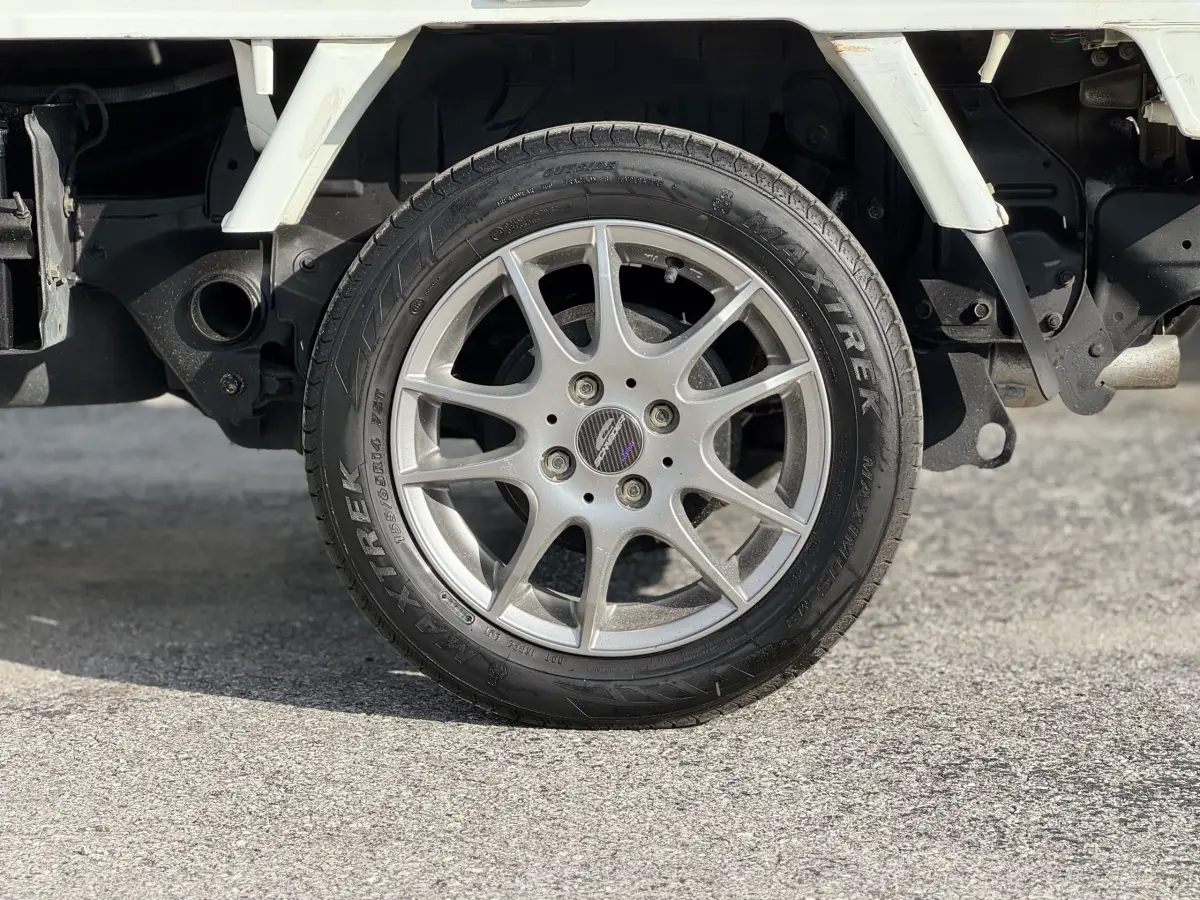
- New tires
- New air filter
- All fluids topped off
- Full interior disassembly detail and ozone treatment
- A/C system checked on dedicated equipment including vacuum test for leaks
- Engine smoke machine test for exhaust and vacuum leaks
- Battery drain test
- OBD scan for fault codes
- Wheel torque verified with calibrated torque wrench
- All lights and signals tested
- Engine bay treated with protective chemical to prevent rubber and plastic dry rot
- Stored with full tank to prevent fuel tank corrosion
- Driven and verified, all issues addressed before listing
On this Sambar specifically:
- New A/C compressor installed, system properly serviced
- Light switch assembly fully disassembled, cleaned, and verified
- New rims and tires mounted
- CarPlay installed with upgraded audio system
No rust. Driver airbag fitted. Verified by our team before listing.
The Sambar is the only kei truck ever built with a four-cylinder engine. The EN07V is a 660cc SOHC four-cylinder that runs smoother, vibrates less at idle, and revs more freely than the three-cylinder engines in every competing kei truck. This is the TB grade, the entry trim of the TT2 Sambar, which still comes with 4WD, Extra Low gear, a driver airbag, and manual A/C from the factory.
Two things were addressed on this truck beyond standard service. The light switch on the TT2 Sambar accumulates dirt and oxidation internally over time. The contacts degrade gradually until switches begin to require more force or fail intermittently. We disassembled the switch assembly completely, cleaned the contacts and internal components, and verified that everything operates correctly. It is the kind of work that prevents a problem rather than fixing one after it has already frustrated the owner.
The A/C compressor was replaced with a new unit. Not recharged. The system was done properly.
The factory TB Sambar comes with one door speaker. The upgraded audio system and CarPlay already installed on this truck are a meaningful upgrade in daily use.
The EN07V uses a rubber timing belt on a non-interference design. If the belt fails, the engine stops but the valves are undamaged. This is one of the genuine advantages of the Sambar platform over interference-engine competitors.
Mileage: 46,980 miles (75,622 km).
Interesting Facts
- The TT2 Sambar TB is the entry trim of Subaru’s top-generation kei truck. TB grade still includes 4WD, Extra Low gear, and a driver airbag as standard, features that were optional or unavailable on competing base-grade kei trucks of the same era. The TB versus TC distinction is primarily about convenience features: TC added A/C, power steering, power windows, and keyless entry as standard equipment.
- The EN07V is a non-interference engine. The piston and valve trajectories do not overlap at any point in the engine cycle, so a timing belt failure stops the engine without damaging the valves. This characteristic is specific to the Sambar among kei trucks and is one reason platform-knowledgeable buyers specifically seek out TT2 examples over competitors.
- Electrical switch contacts on Japanese vehicles from this era commonly develop resistance buildup from oxidation and contamination over a 20 to 25-year service life. The symptom is gradual: switches that once operated with light effort begin to require more pressure, then become intermittent. Disassembling and cleaning the contacts is the correct repair, not replacement, because new switches for this generation are increasingly scarce outside Japan.
- The Subaru Sambar TT2 was produced from 1999 to 2012, the longest continuous production run of any generation in the nameplate’s history. Subaru transferred the Sambar name to Daihatsu in 2012, and the subsequent vehicle uses a three-cylinder engine. The TT2 with EN07V is the last Sambar built the way Subaru intended it.
About Us
We’ve been working with Japanese vehicles for over 25 years. Long before opening our location in the United States, our team was importing and servicing these vehicles in Europe when many of them were still new.
Because of that experience, we know these platforms extremely well. Every model has its own weak points, and we inspect and address them before the vehicle is offered for sale.
All vehicles are serviced at our facility in Japan before shipping. Fluids, belts, filters, batteries, and common failure points are inspected and replaced when necessary.
Unlike many dealerships, we actually drive our vehicles. They don’t sit in a parking lot. Our trucks and cars are used regularly so we can verify reliability before they reach their new owner.
When you buy from us, you’re getting a vehicle that is fully prepared and ready to drive from day one.
JP-TRADE is our first location in the United States, supported by a team of more than 40 people across Europe, Japan, Korea, China, and the U.S.
If you made it this far, here is a little bonus for you.
Why does it matter that the Sambar has a non-interference engine?
Every kei truck on the market uses a rubber timing belt. The belt ages, stretches, and eventually breaks. On most engines, when that happens, the pistons and valves collide and the repair bill becomes a rebuild or a replacement engine. On the EN07V, the geometry is designed so the piston and valve paths never intersect. The belt fails, the engine stops, you get towed, and you replace the belt. That is the full extent of the damage. Subaru engineered this into the Sambar deliberately, and it is one of the reasons the platform has a dedicated owner community that specifically recommends it over competitors for buyers who want low long-term risk. The four-cylinder engine gets all the attention. The non-interference design is the detail that experienced buyers actually care about.
Description and photos from JP-TRADE USA, from when this truck was for sale.