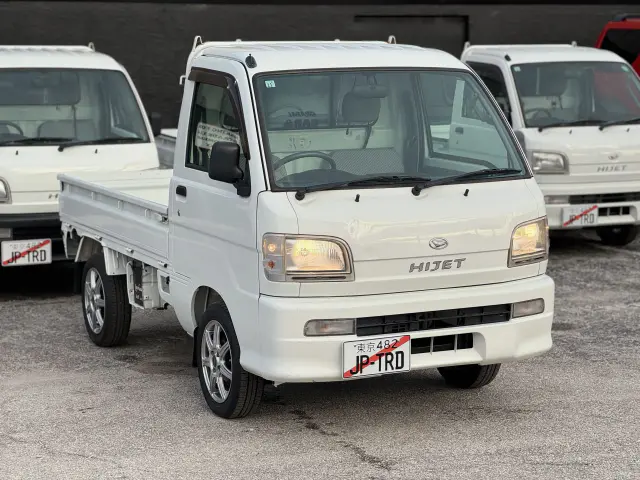
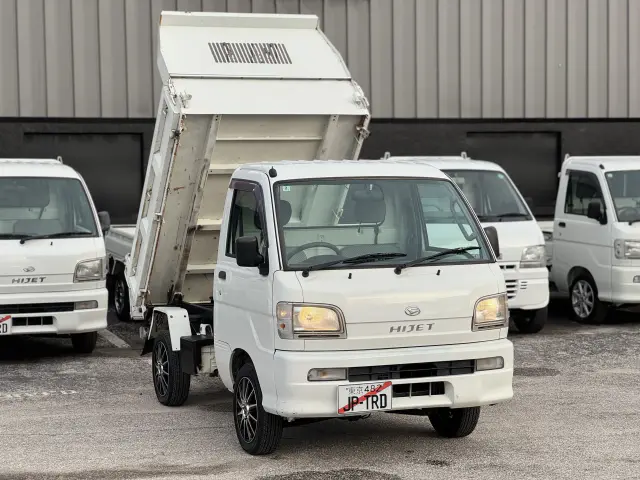
- A/C
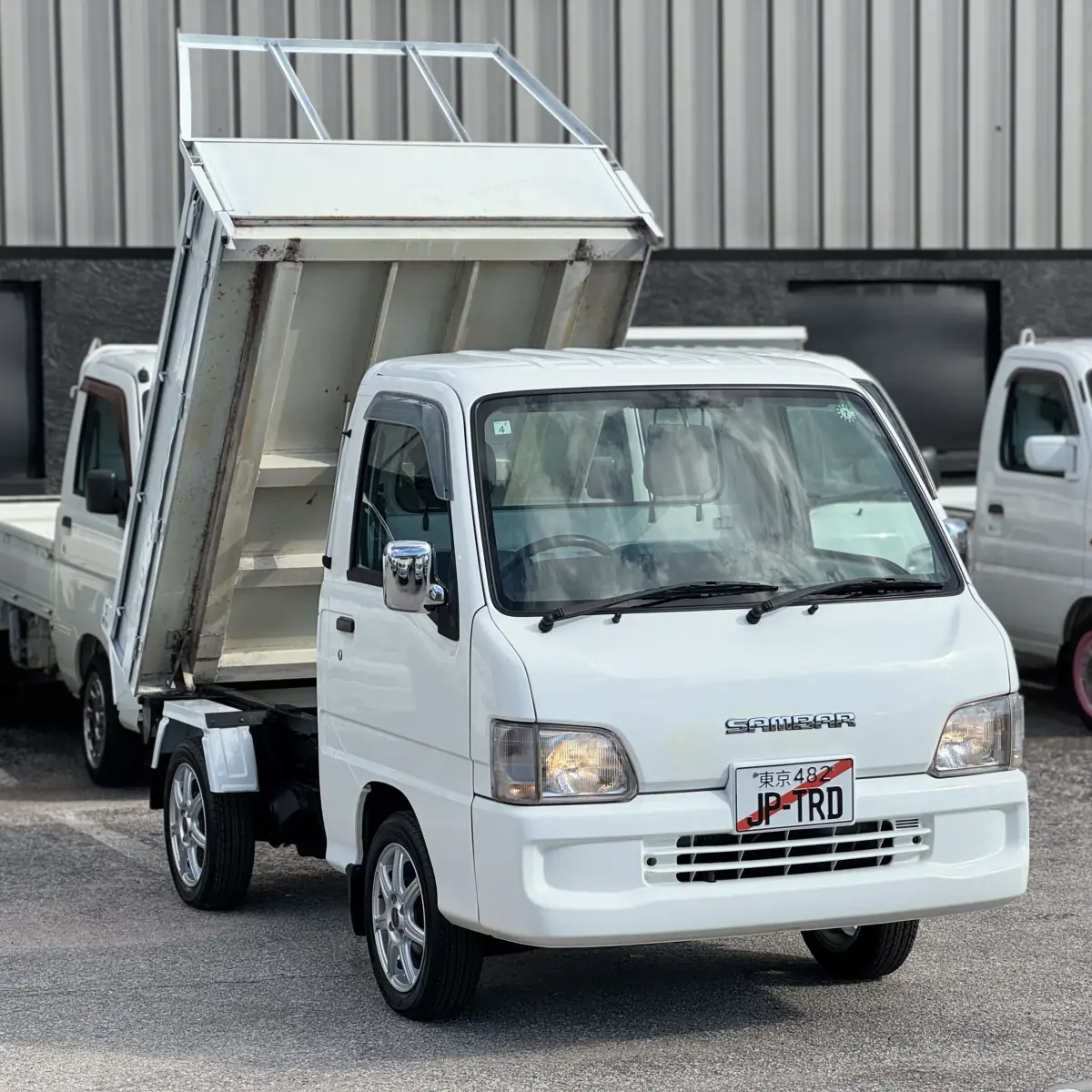
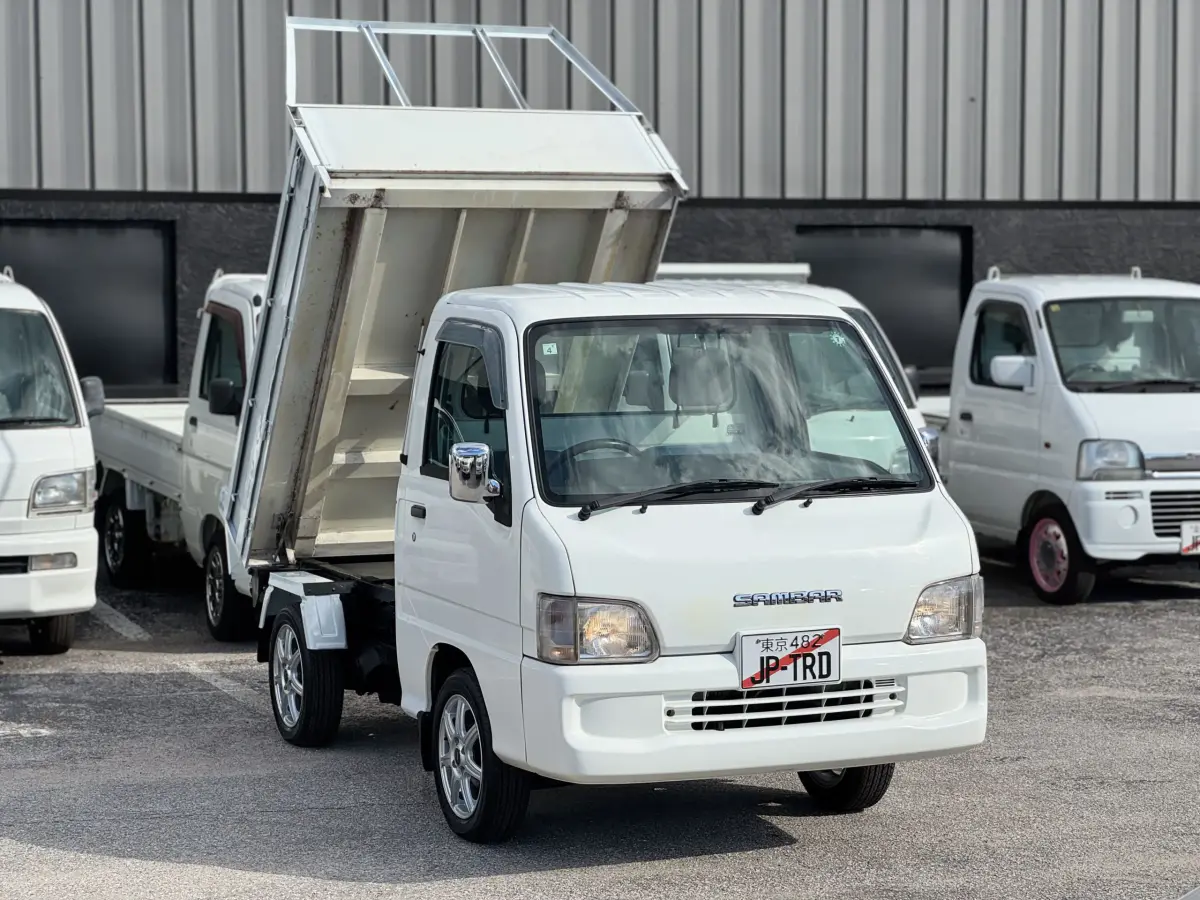
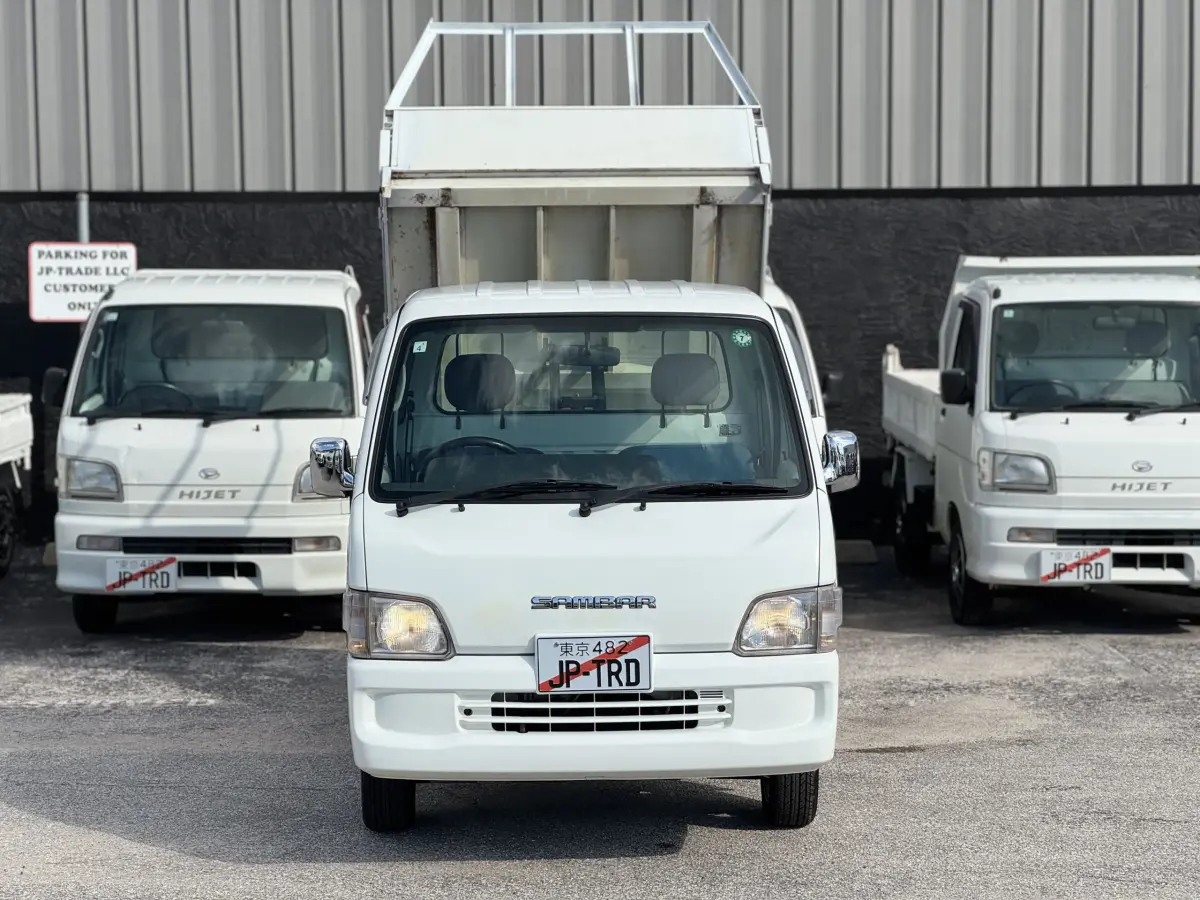
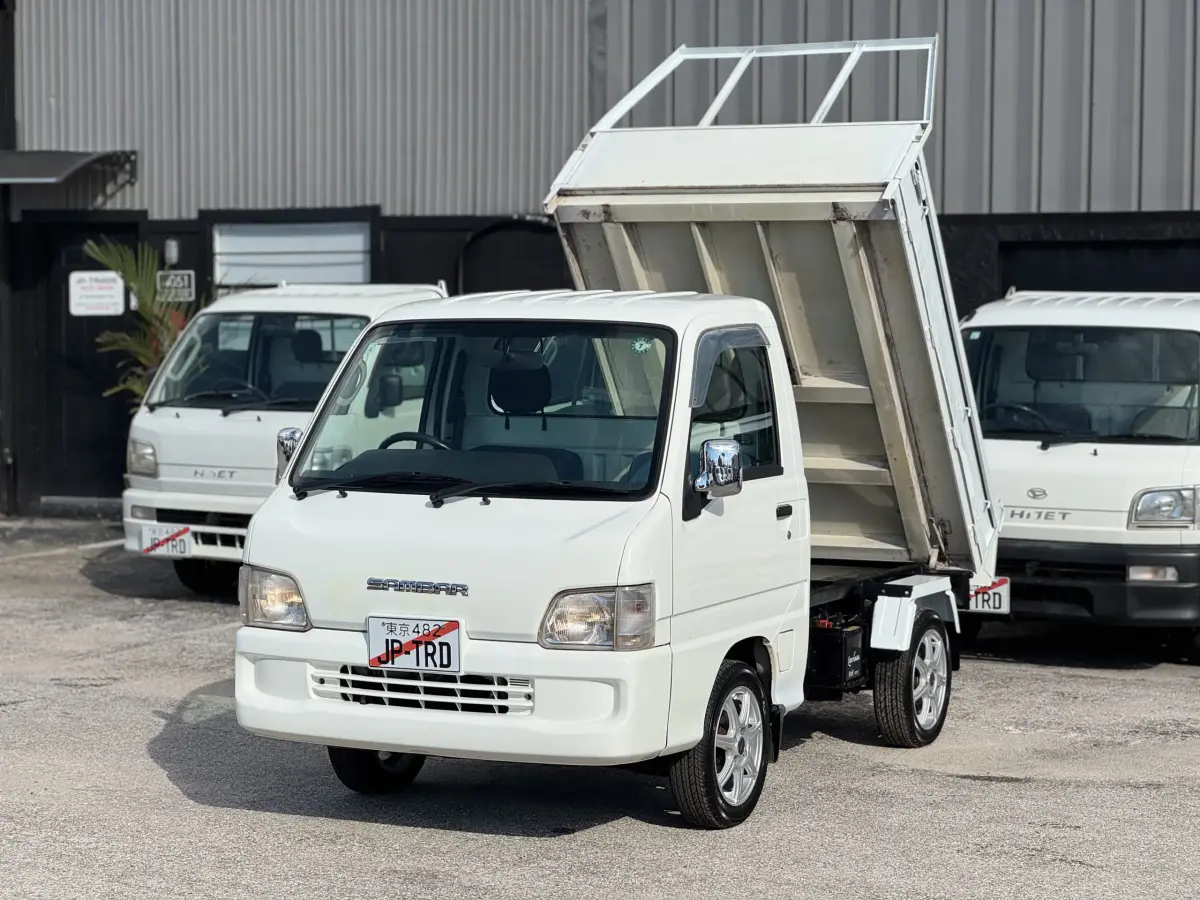
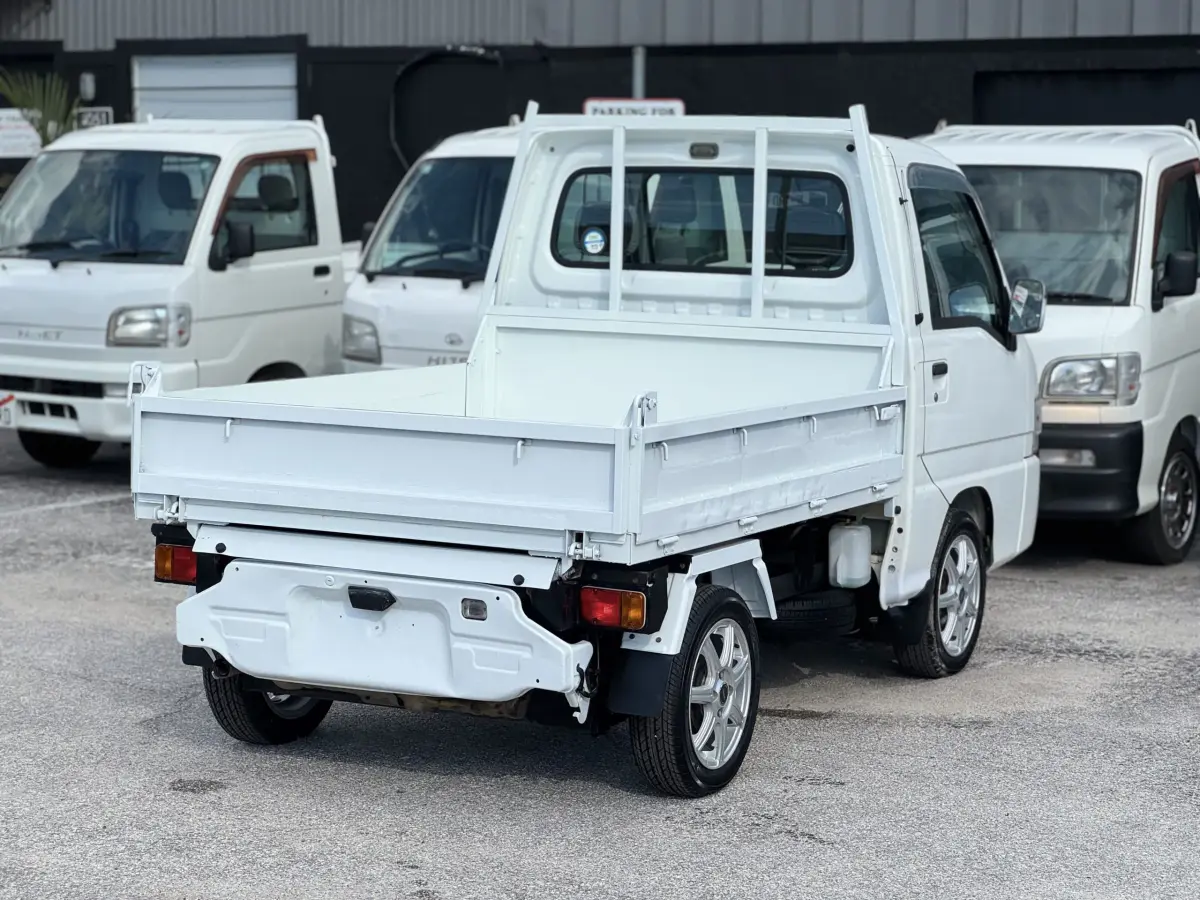
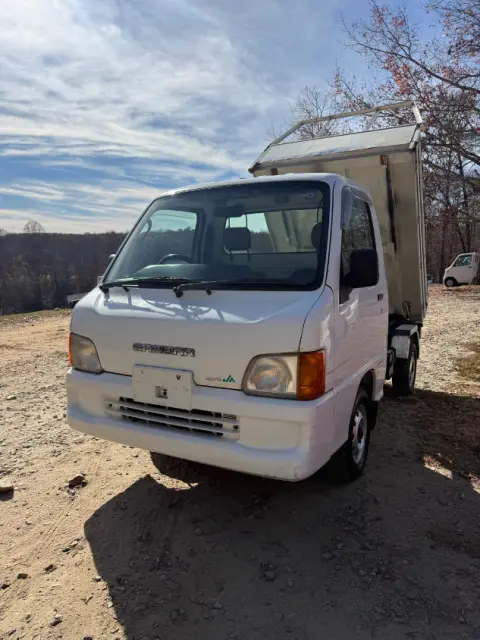
2000 Subaru Sambar Dump Truck
Sold
- A/C
- Yes
- Transmission
- Manual
- Drive
- 4x4
- Generation
- 6th gen, TT2
- Mileage
- 62,220 miles (100,156 km)
- Location
- Holiday, FL
- Availability
- Sold
About this Kei Truck
Built in 2000, this Kei Truck is old enough for the 25-year import rule. It's a 6th gen Sambar, chassis code TT2: the code to use when you order parts or read our Subaru Sambar guide. Per the dealer, it has 4x4, a manual transmission and air conditioning. 2 more Kei Trucks from JP-TRADE USA are listed here.
Road legal in most states
This truck is at least 25 years old, so it could be imported legally, and most states let you register it for the road, some with limits. In Florida, where this dealer is, Kei Trucks are legal on the road with limits. Read the Florida Kei Truck laws or check your state before you buy.
Specs
From the dealer
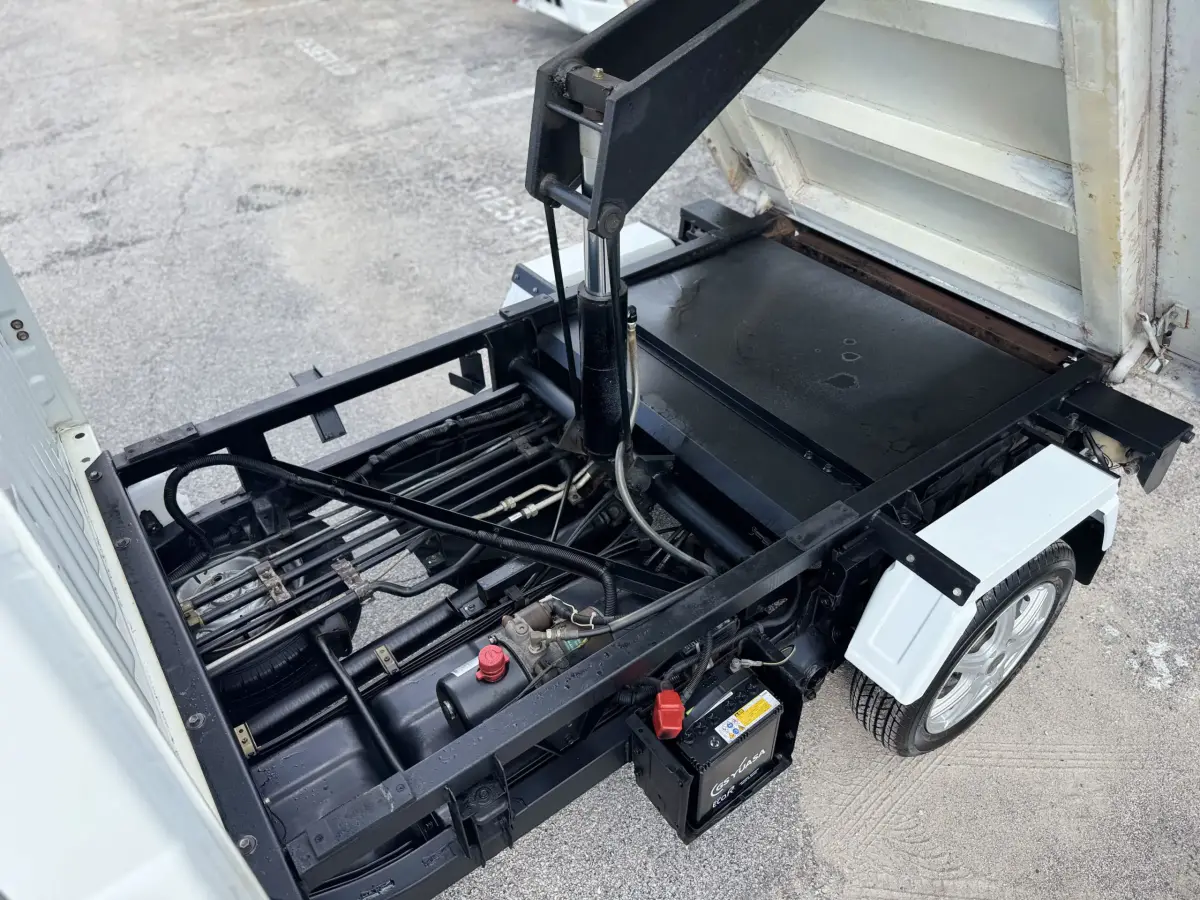
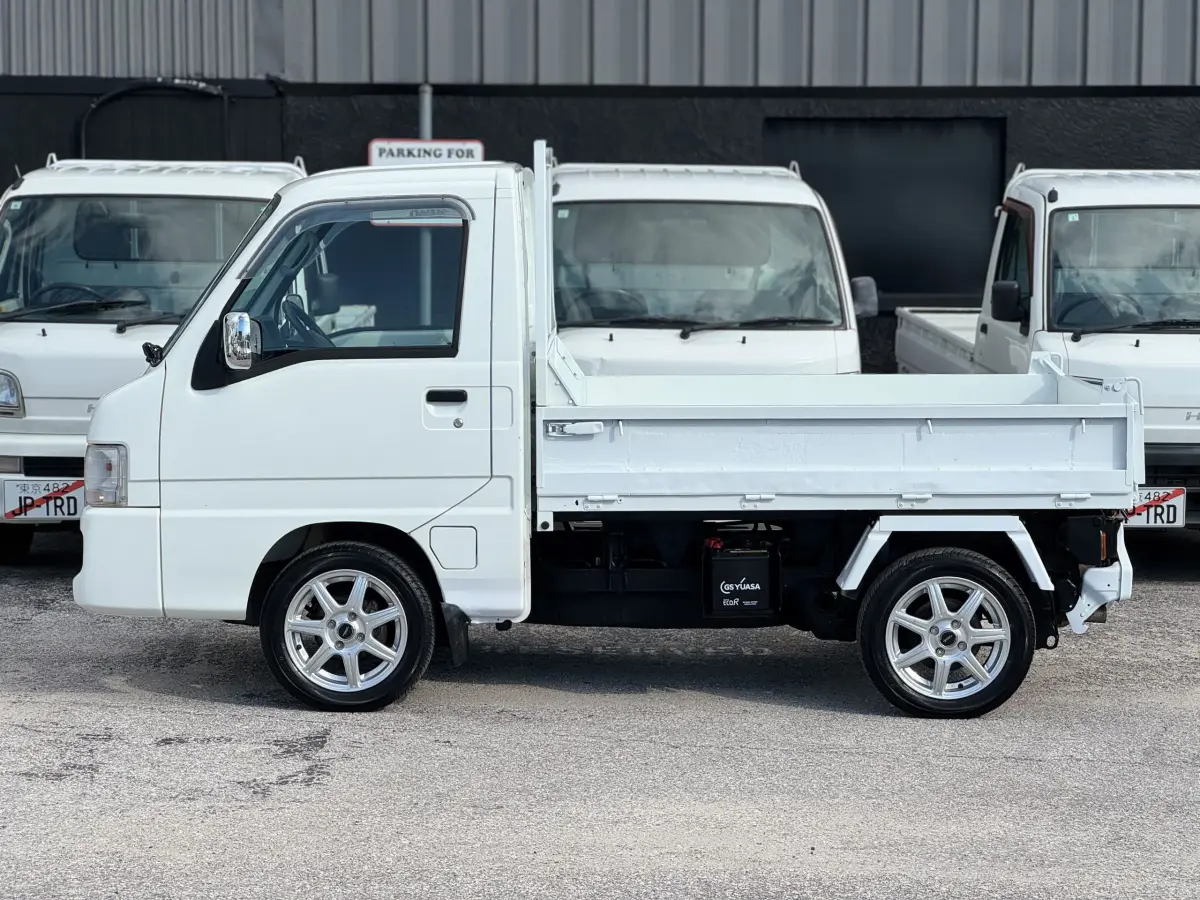
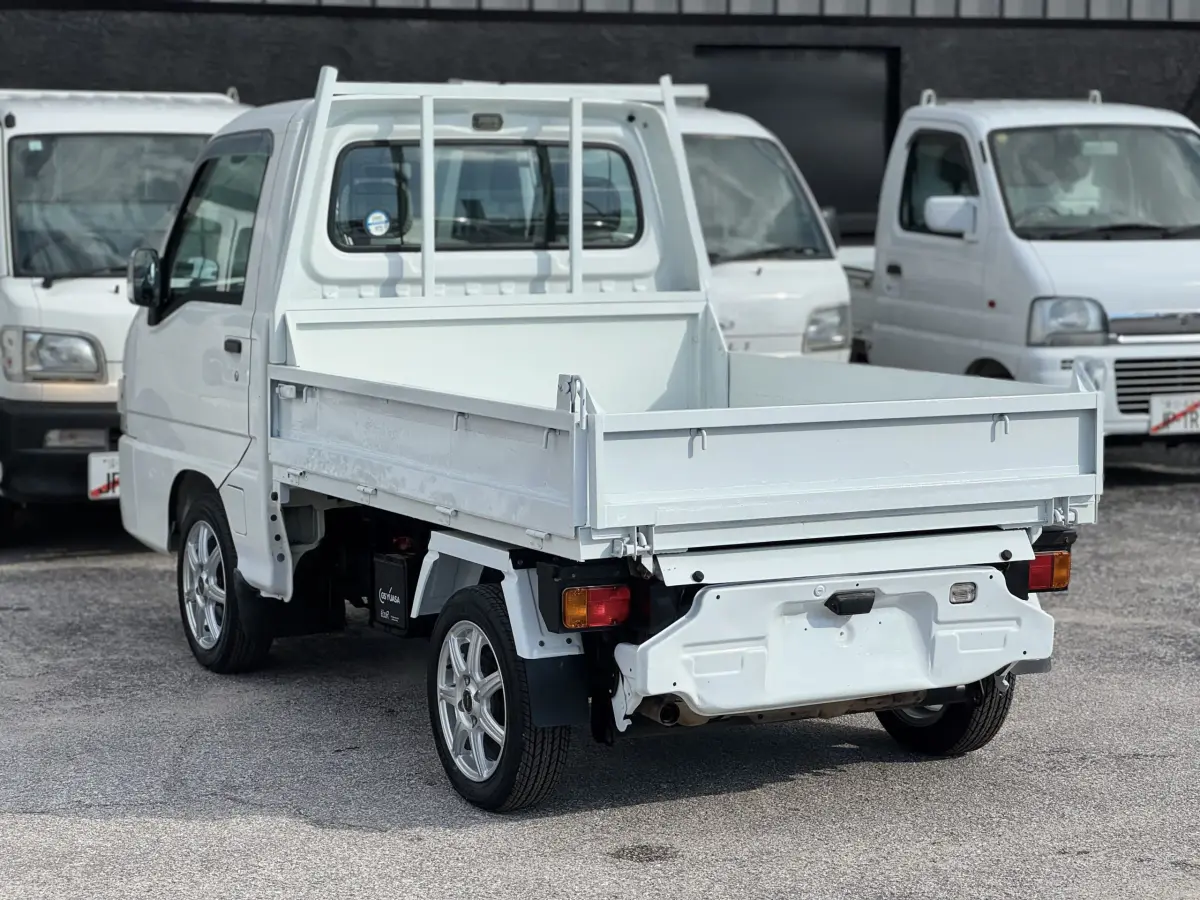
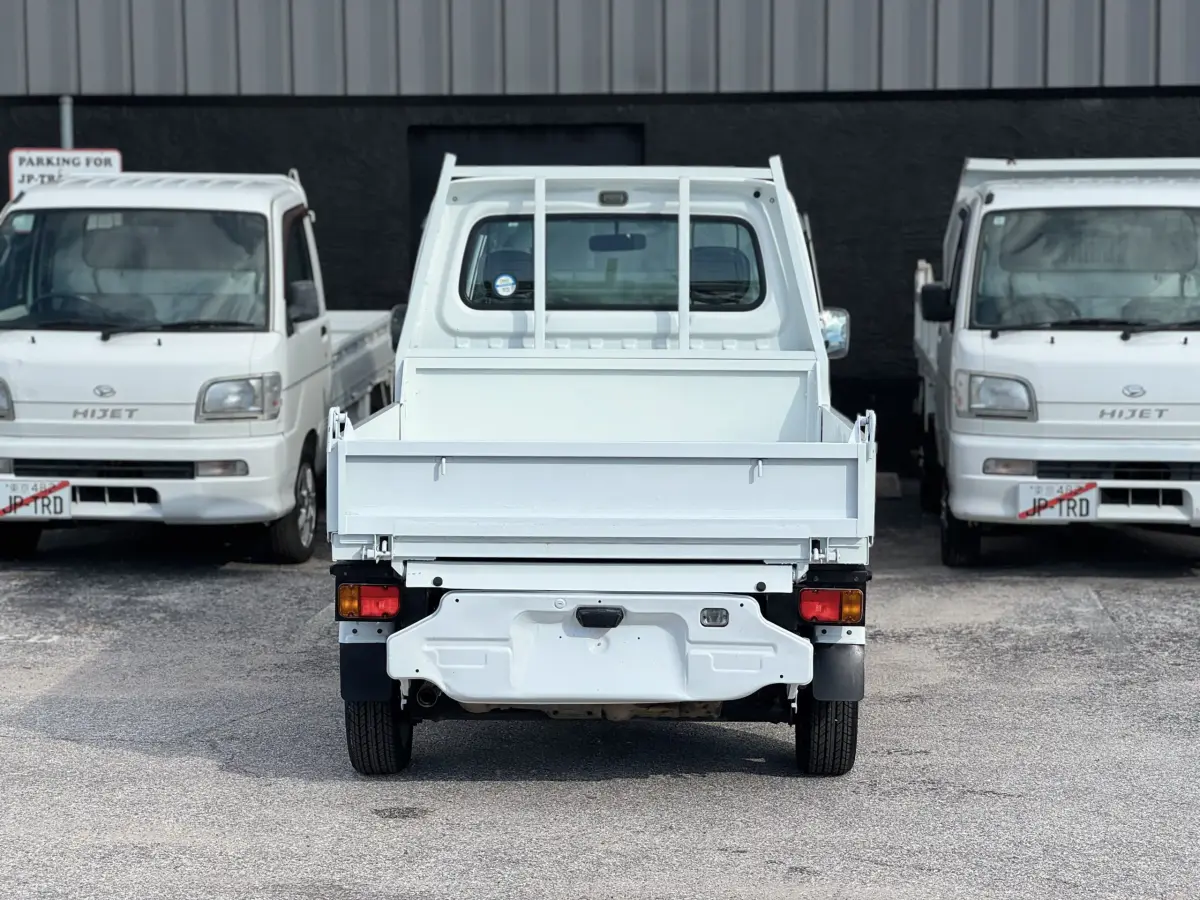
2000 Subaru Sambar Dump, EN07V 660cc 4-Cylinder, 4WD, Manual, Electric Dump, 62,220 Miles
How We Prepare Every Vehicle
Every vehicle we sell goes through the same preparation process before it leaves us. On this Sambar we also addressed the known weak points specific to the platform.
- Engine oil and filter replaced, oil selected for Florida climate
- New coolant
- New brake fluid
- New spark plugs
- New battery
- New tires
- New air filter
- All fluids topped off
- Full interior disassembly detail and ozone treatment
- A/C system checked on dedicated equipment including vacuum test for leaks
- Engine smoke machine test for exhaust and vacuum leaks
- Battery drain test
- OBD scan for fault codes
- Wheel torque verified with calibrated torque wrench
- All lights and signals tested
- Engine bay treated with protective chemical to prevent rubber and plastic dry rot
- Stored with full tank to prevent fuel tank corrosion
- Driven and verified under load, all issues addressed before listing
On this Sambar specifically:
- New coolant expansion tank installed. Original plastic tanks dry rot with age and leak coolant silently. Most owners do not catch this until the engine overheats. We replaced it before listing.
- Toprun wheels with Yokohama tires mounted, larger than OEM for improved grip and balance
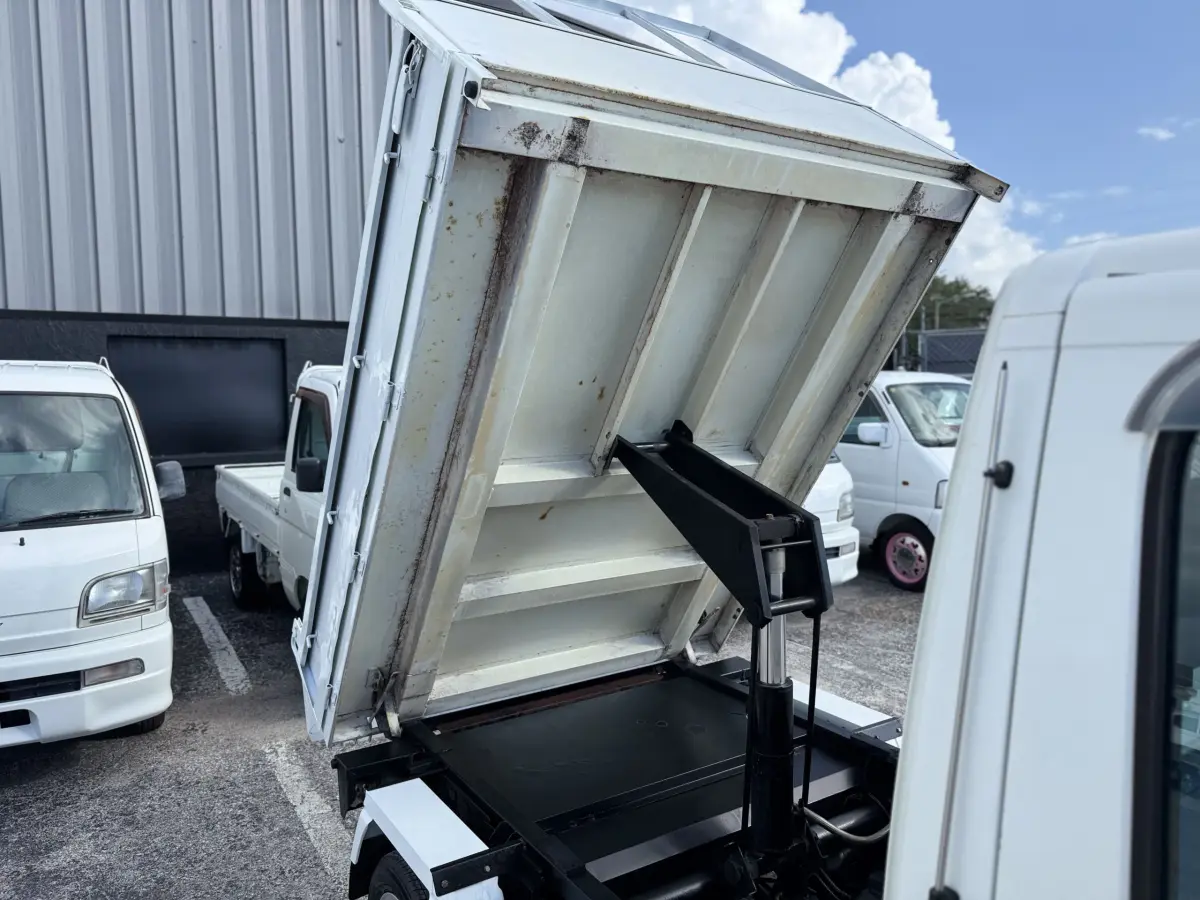
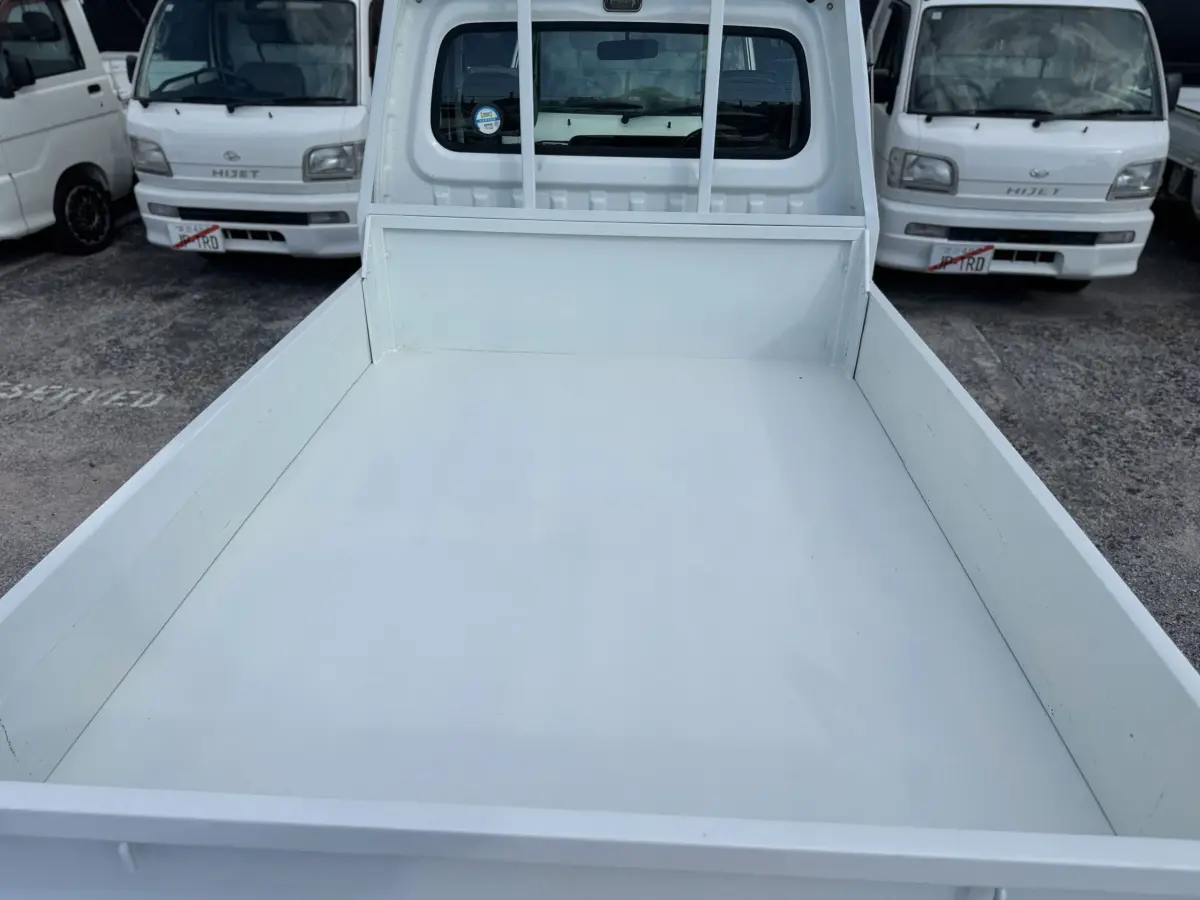
- Dump bed inspected and tested under load, operates correctly
- All known platform weak points inspected and addressed
Timing belt was done at 87,000 km. Currently at 62,220 miles (100,156 km). No rust on the truck. Bed shows use consistent with a working dump truck. Structure is solid.
The Sambar is the only kei truck ever built with a four-cylinder engine. The EN07V is a 660cc SOHC four-cylinder, smoother and more refined at idle than the three-cylinder engines in every competing kei truck. The TC is the top non-supercharged trim, which on the dump truck means A/C, power steering, driver airbag, Extra Low gear, and two door speakers rather than the single speaker fitted to base grades. The factory sound system distinction is small. It is also genuinely the difference between base and top trim on this platform.
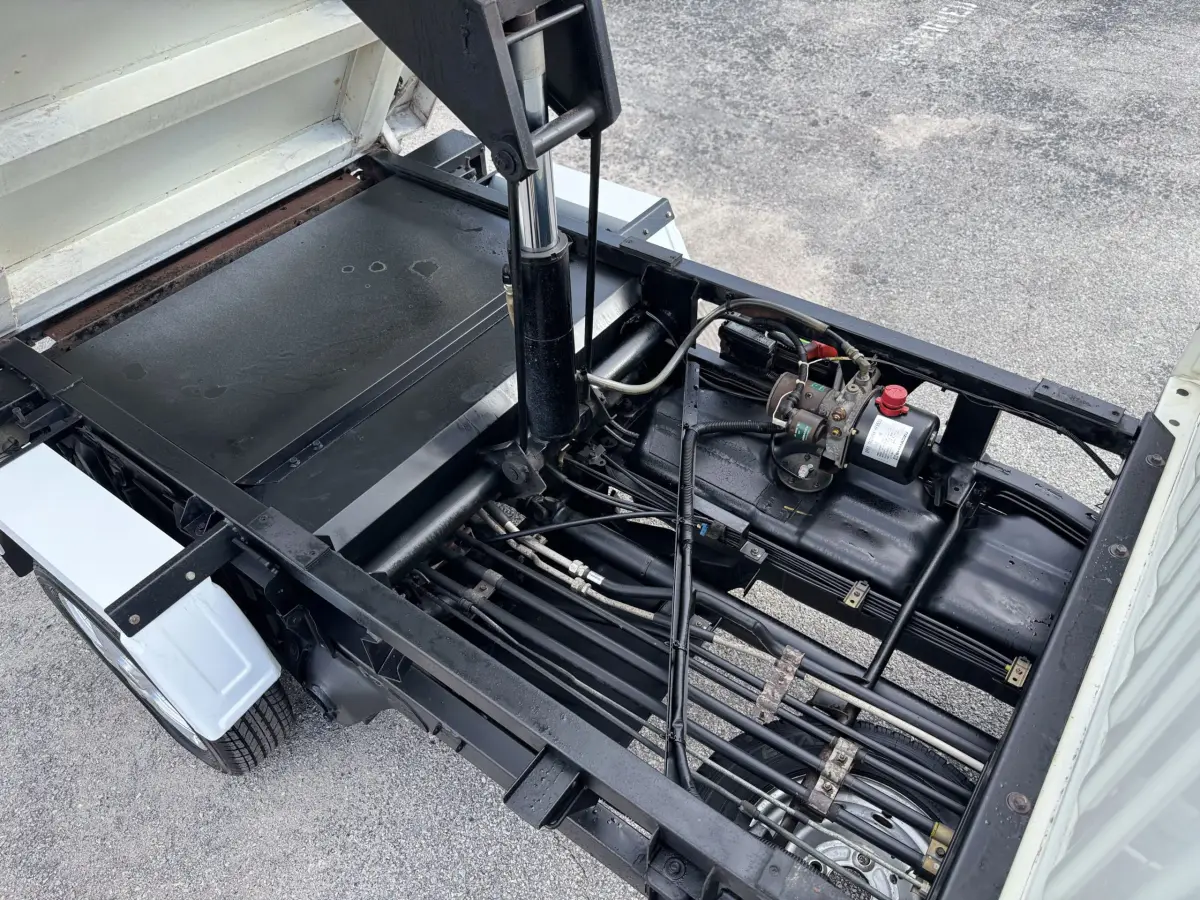
The dump bed is electric, not PTO-driven. A switch in the cab raises and lowers the bed independently of the engine load. We ran the truck loaded and cycled the dump multiple times before listing. Everything operates as it should. The bed itself has wear from use, which is correct for a truck that was purchased to dump material.
The EN07V is a non-interference engine. A timing belt snap will not bend the valves. The belt was replaced at 87,000 km anyway, because a snapped belt still leaves you stranded, and that is not the point.
The storage compartment under the passenger seat is a factory feature on TC trim. It is useful, it is intact, and most people do not know it is there until they sit in the truck.
Cold A/C. Extra Low gear engages properly. CarPlay and an upgraded audio system can be installed before delivery on request.
Mileage: 62,220 miles (100,156 km).
Interesting Facts
- The EN07V is a non-interference engine, meaning the pistons and valves do not occupy the same space at any point in the engine cycle. If the timing belt breaks, the engine stops but the valves remain undamaged. This is a meaningful advantage over interference engines, where a belt failure can destroy the top end. The Sambar is one of the few kei trucks where timing belt failure is an inconvenience rather than a potential engine-totaling event.
- The coolant expansion tank on the Sambar TT2 generation is made from a plastic compound that becomes brittle with heat cycling over time. The tank cracks or develops pinhole leaks without obvious visible damage, allowing coolant to escape slowly. Because the leak is gradual and the reservoir is not always checked at every service, many Sambars arrive with a compromised cooling system that the previous owner was unaware of. Replacing the tank proactively is the correct pre-purchase step on any TT2 import.
- Electric dump beds on kei trucks use a dedicated 12V electric motor and hydraulic ram that operate independently of the drivetrain. This is mechanically simpler than a PTO system and adds no load to the engine or transmission during dump cycles. The trade-off is that the electric system is limited by the hydraulic pump’s rated capacity, which is sufficient for the Sambar’s 350 kg payload but not for heavier loads.
- The Subaru Sambar TC dump truck with Extra Low gear, electric dump, and 4WD represents a configuration that has no direct equivalent in the American market. The closest domestic alternative is a full-size dump truck at many times the operating cost, or an ATV-based dump that cannot be registered for road use in most states. The Sambar does both: street legal and genuinely capable on property.
About Us
We’ve been working with Japanese vehicles for over 25 years. Long before opening our location in the United States, our team was importing and servicing these vehicles in Europe when many of them were still new.
Because of that experience, we know these platforms extremely well. Every model has its own weak points, and we inspect and address them before the vehicle is offered for sale.
All vehicles are serviced at our facility in Japan before shipping. Fluids, belts, filters, batteries, and common failure points are inspected and replaced when necessary.
Unlike many dealerships, we actually drive our vehicles. They don’t sit in a parking lot. Our trucks and cars are used regularly so we can verify reliability before they reach their new owner.
When you buy from us, you’re getting a vehicle that is fully prepared and ready to drive from day one.
JP-TRADE is our first location in the United States, supported by a team of more than 40 people across Europe, Japan, Korea, China, and the U.S.
If you made it this far, here is a little bonus for you.
Why did Subaru put four cylinders in a kei truck that was also available as a dump truck?
The answer is the same reason they used four cylinders in every Sambar: smoother power delivery under sustained load. A dump truck spends more time working at low RPM under heavy load than a flatbed. Three-cylinder kei engines produce more vibration at idle and low RPM, which translates to driver fatigue and increased drivetrain stress during slow-speed work cycles. Subaru’s four-cylinder EN07 idles more smoothly, vibrates less, and maintains a more consistent power delivery at the low engine speeds a dump cycle requires. It cost more to build. Subaru built it anyway.
Description and photos from JP-TRADE USA, from when this truck was for sale.