- A/C
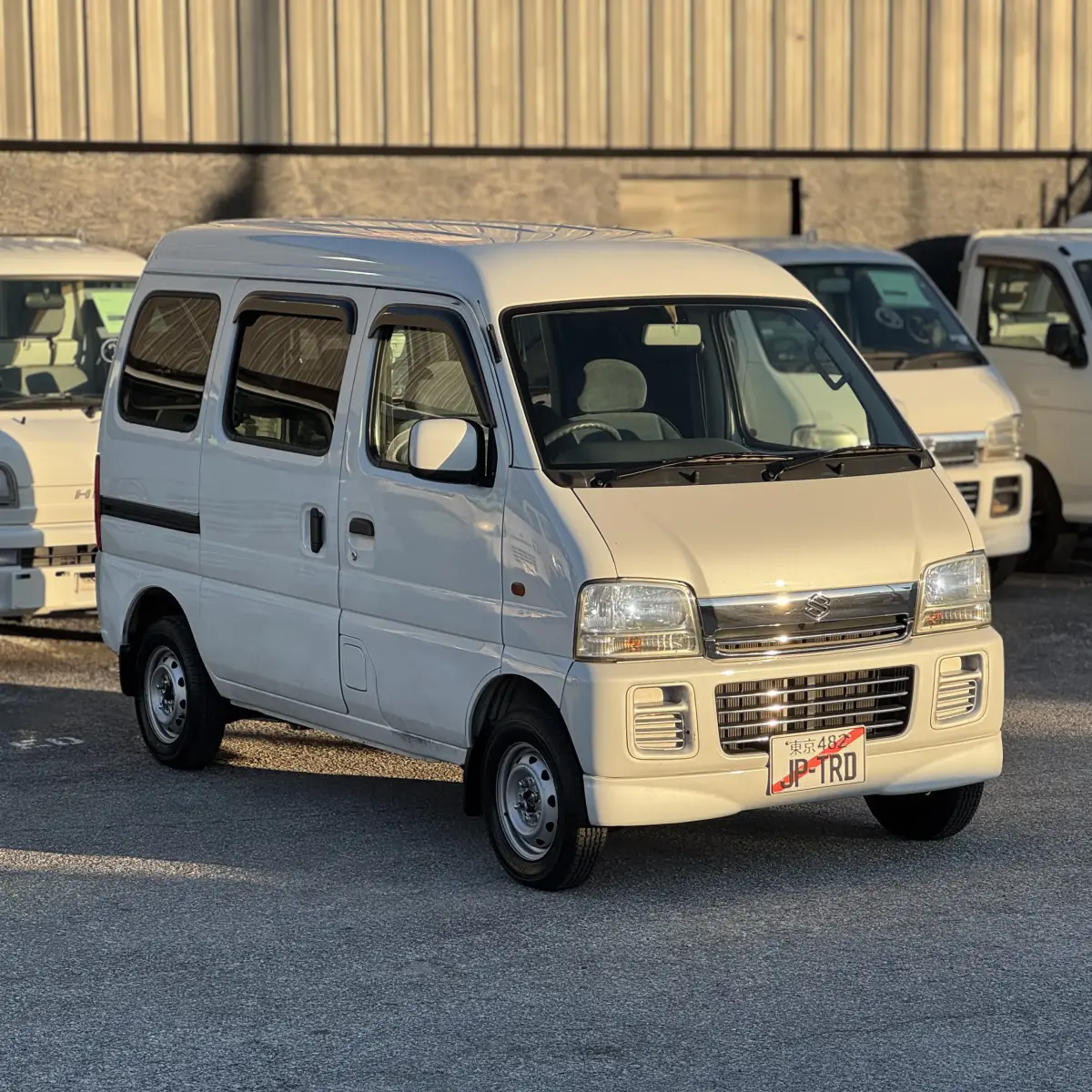
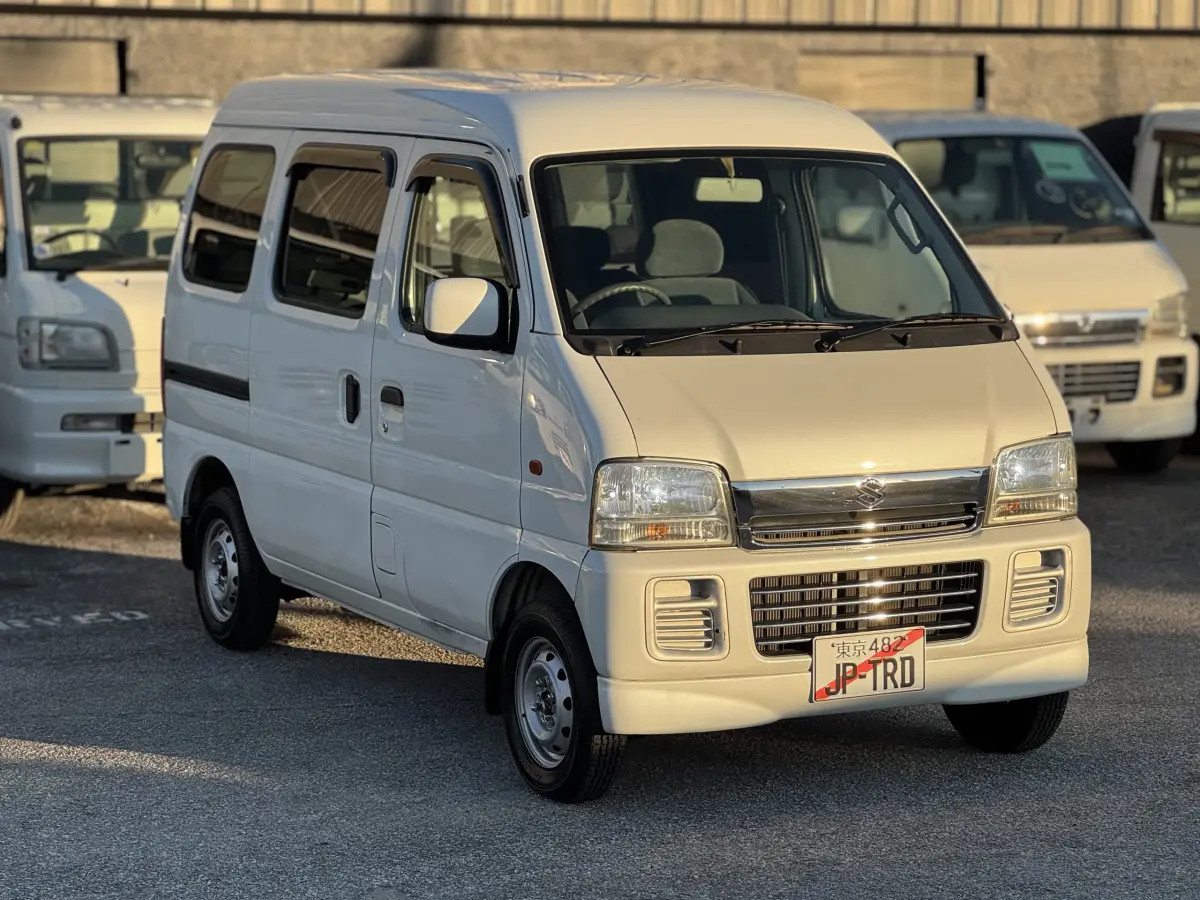
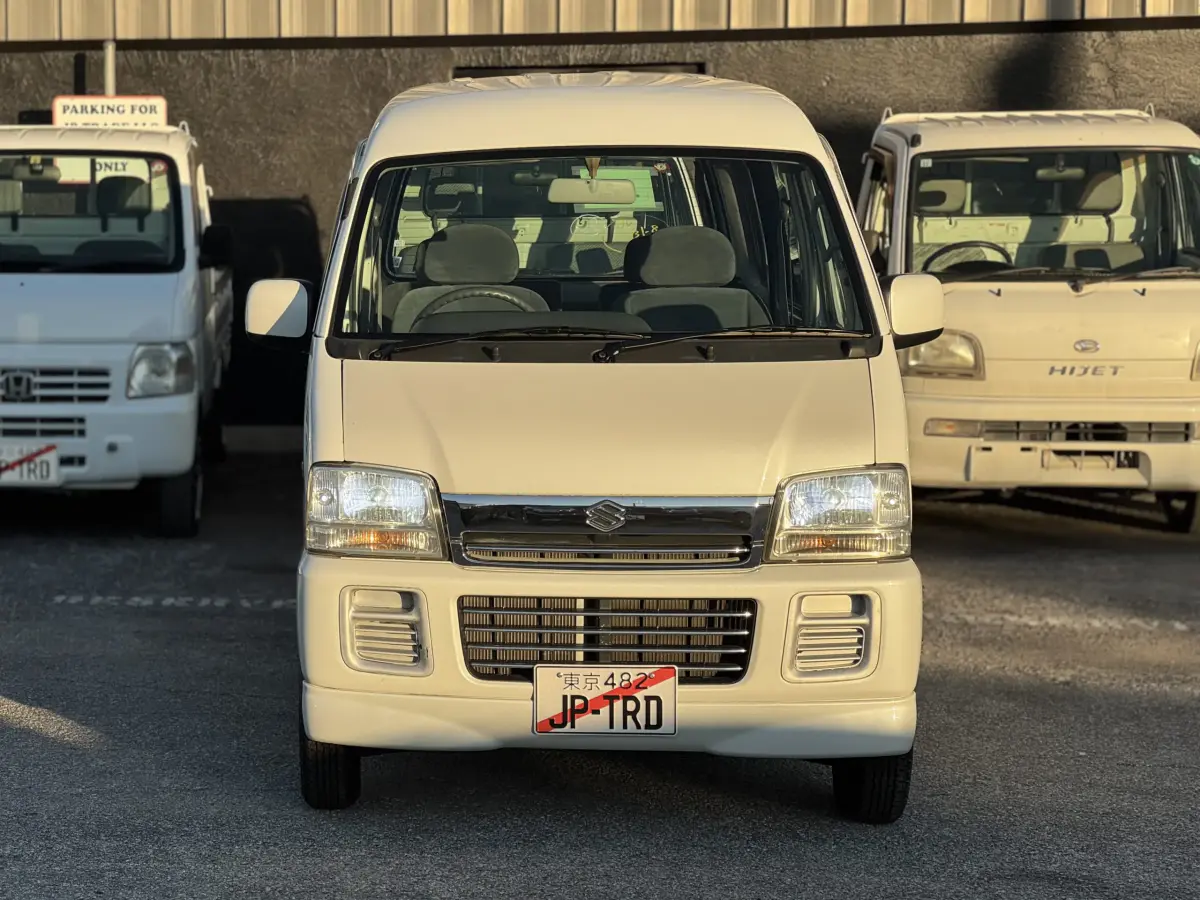
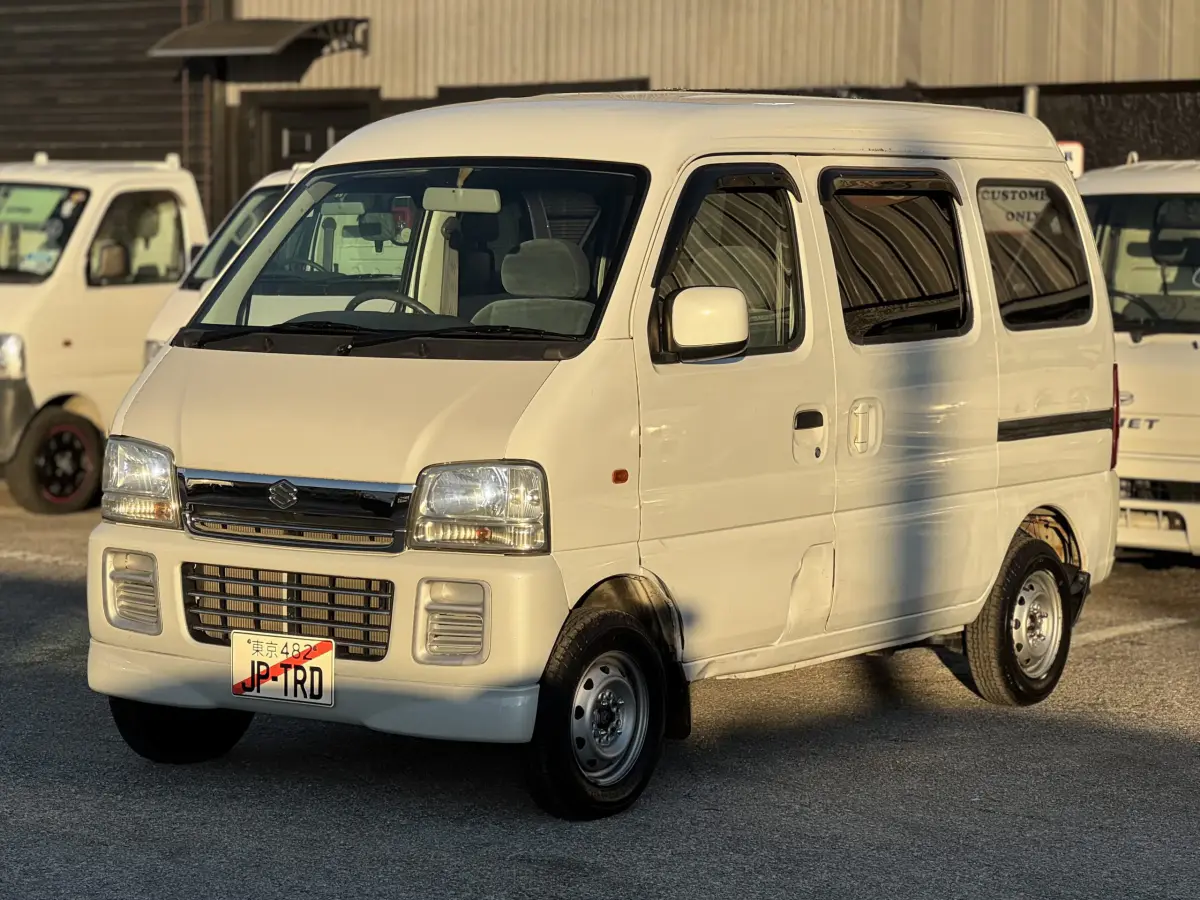
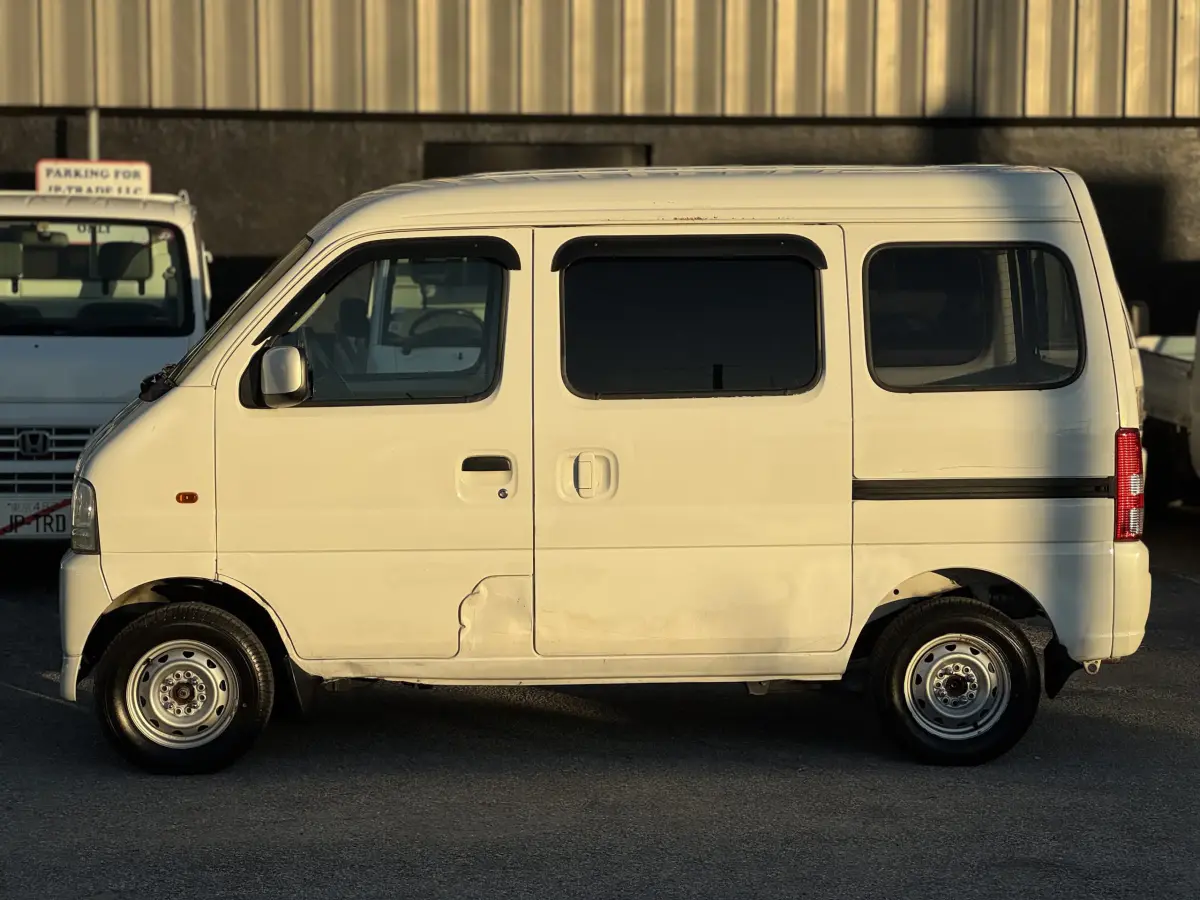
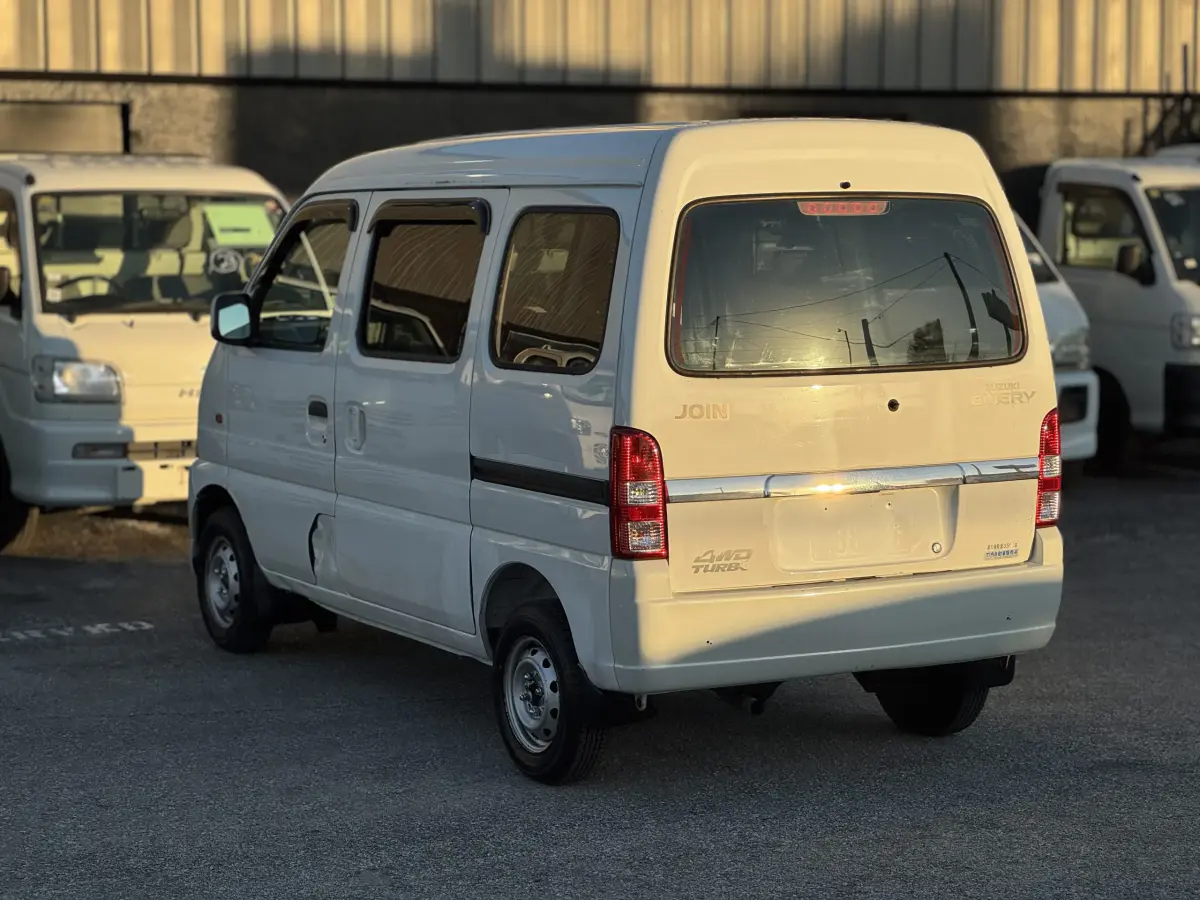
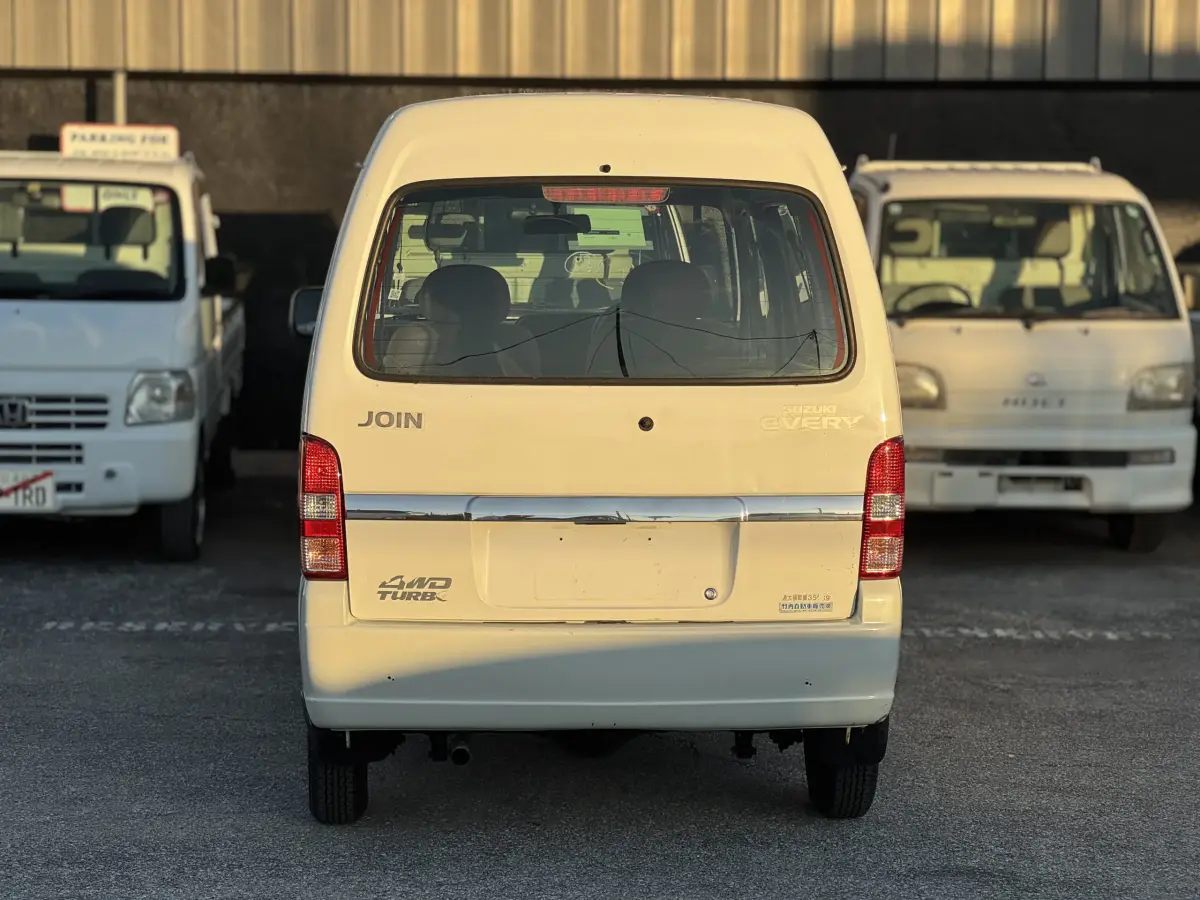
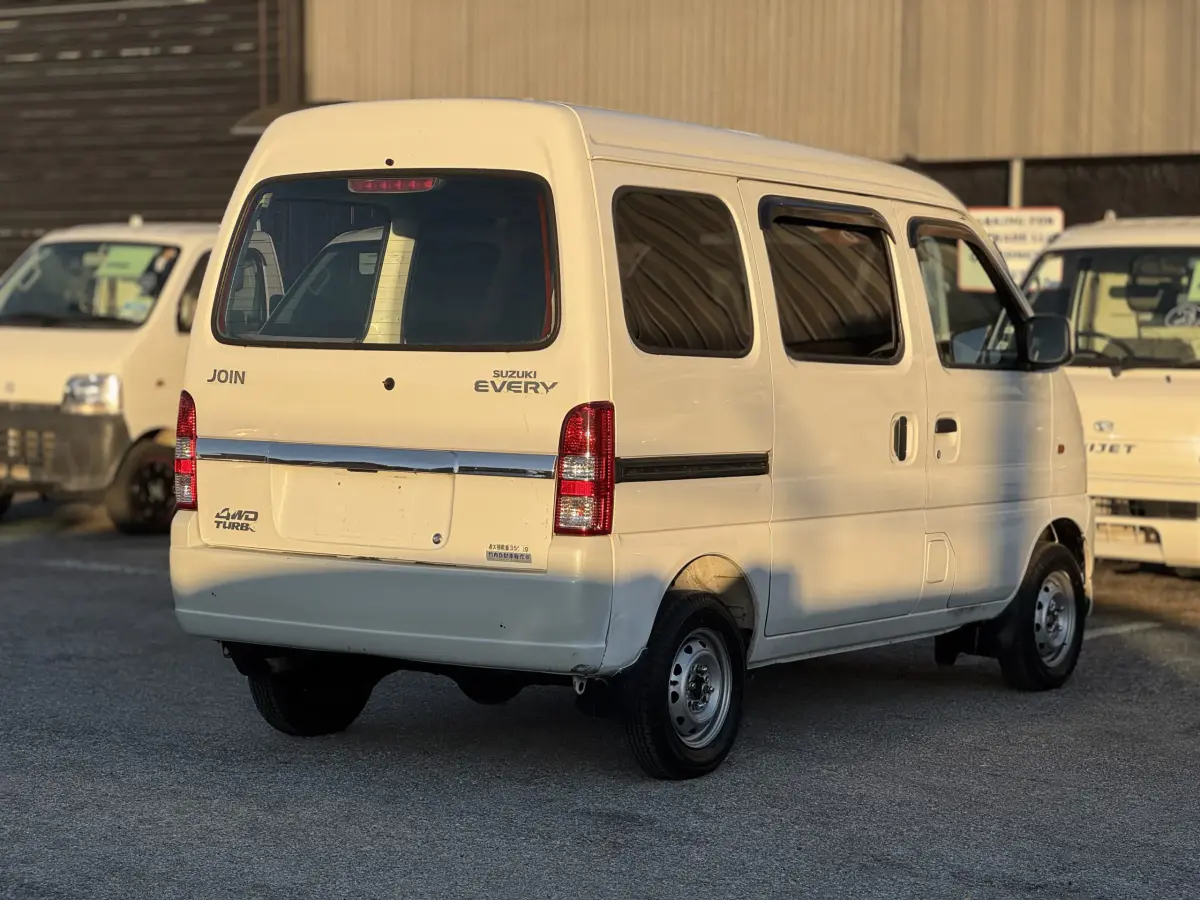
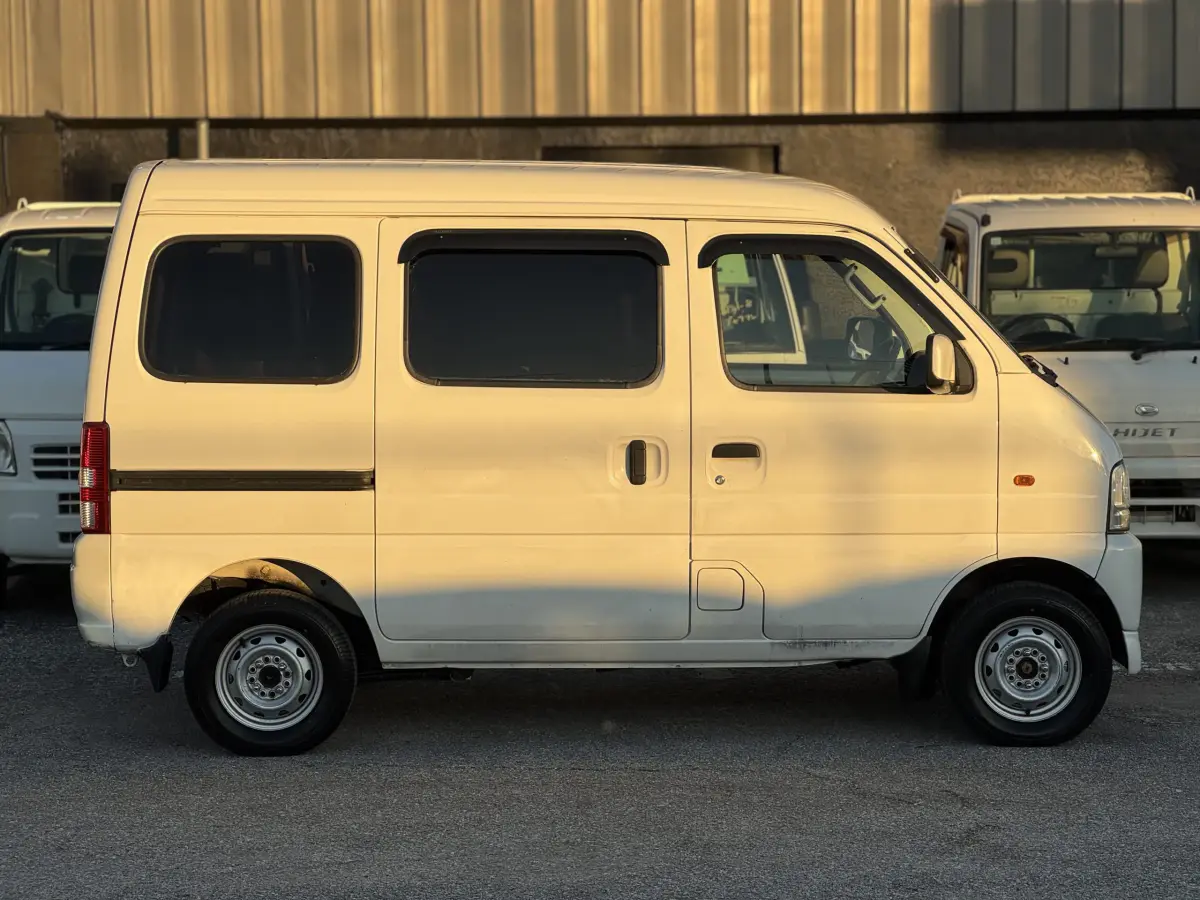
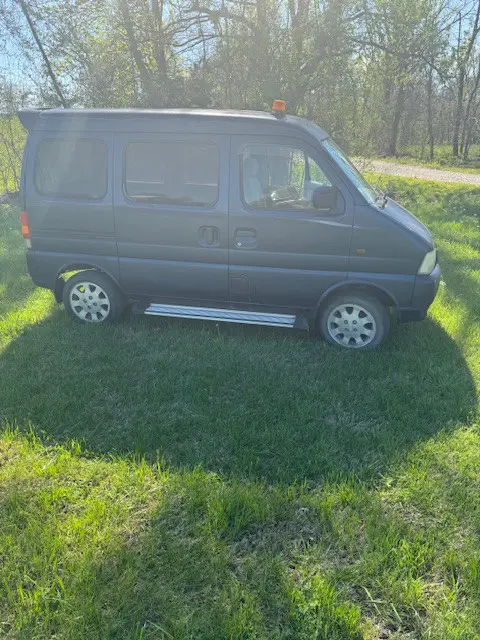
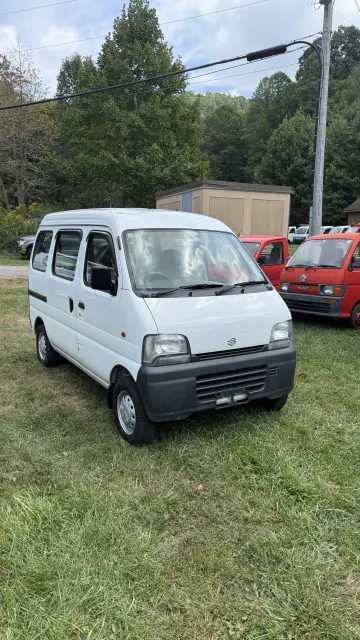
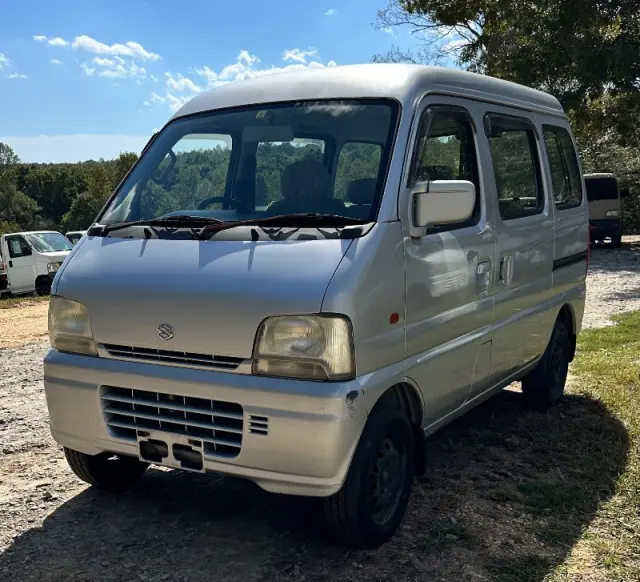
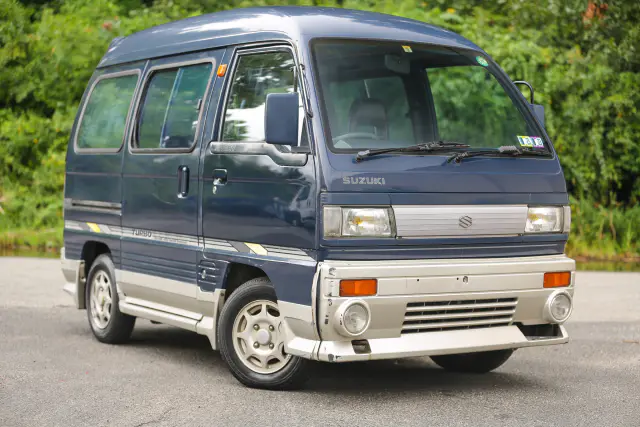
1999 Suzuki Every
Sold
- A/C
- Yes
- Transmission
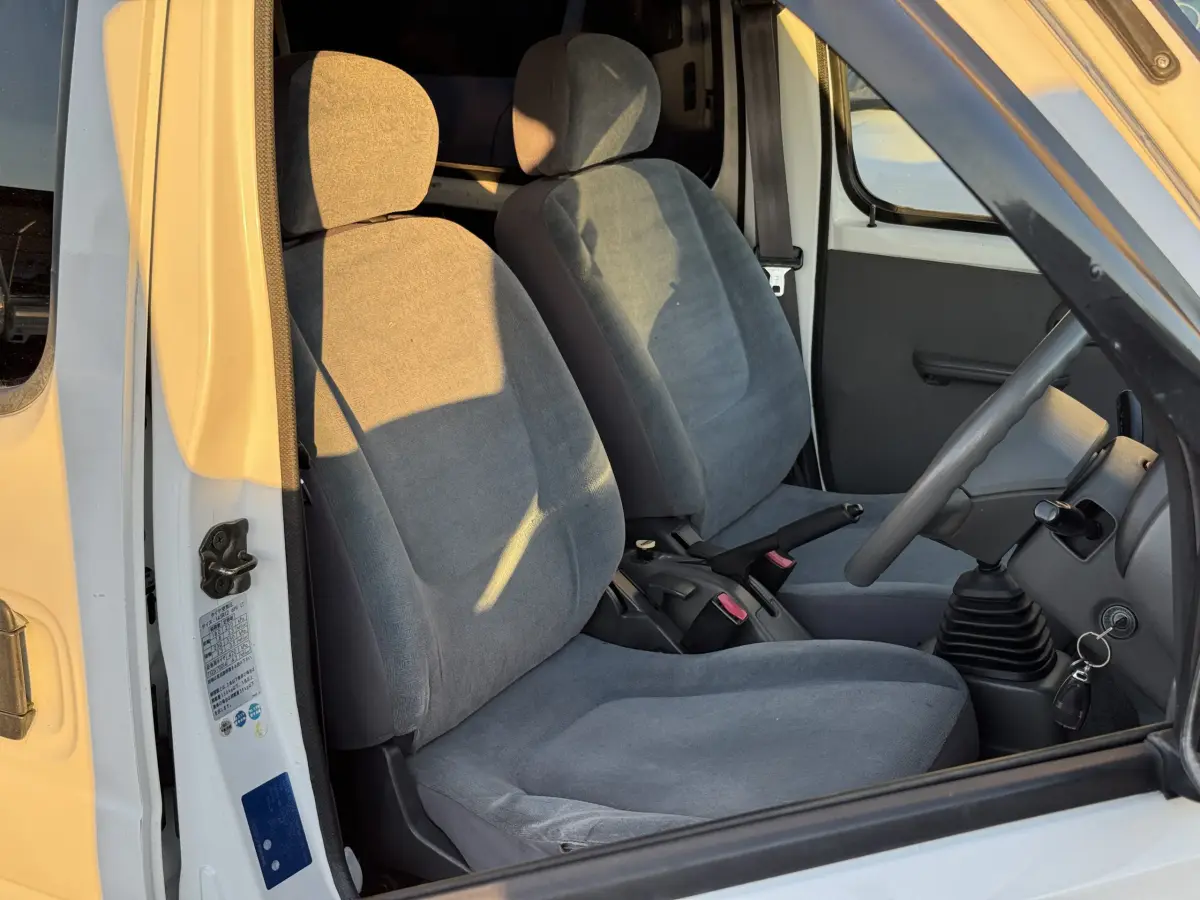
- 5-speed manual
- Drive
- 4x4
- Generation
- 4th gen (F6A), DB52V
- Mileage
- 44,645 miles (71,851 km)
- Location
- Holiday, FL
- Availability
- Sold
About this Kei Van
Built in 1999, this Kei Van is old enough for the 25-year import rule. It's a 4th gen (F6A) Every, chassis code DB52V: the code to use when you order parts or read our Kei Van guide. Per the dealer, it has 4x4, a 5-speed manual transmission and air conditioning. 2 more Kei Trucks from JP-TRADE USA are listed here.
Road legal in most states
This truck is at least 25 years old, so it could be imported legally, and most states let you register it for the road, some with limits. In Florida, where this dealer is, Kei Trucks are legal on the road with limits. Read the Florida Kei Truck laws or check your state before you buy.
Specs
| Year | 1999 |
|---|---|
| Make | Suzuki |
| Model | Every |
| Vehicle type | Kei Van |
| Generation | 4th gen (F6A), January 1999 to September 2001 |
| Chassis code | DB52V |
| Engine | 660cc turbo |
| Transmission | 5-speed manual |
| Drive | 4x4 |
| Mileage | 44,645 miles (71,851 km) |
| A/C | Yes |
| Title | Comes with a Florida title (per the dealer) |
From the dealer
1999 Suzuki Every Join, 660cc Turbo, 4WD, 5-Speed Manual.
What We Did Before Export
Every vehicle we sell goes through a full service at our facility in Japan before it ships. We inspect each one ourselves, address what needs to be addressed, and put real kilometers on it after service to confirm everything works. Here is what was done on this one:
- Engine oil and all filters replaced
- New spark plugs installed
- All belts inspected and replaced
- New battery installed
- New tires mounted
- All fluids replaced
- LED headlight upgrade installed
- Anti-corrosion treatment applied to undercarriage
- Driven and verified after service
The engine is dry with no leaks. No rust on the body or undercarriage. This van was driven and verified by our team before being listed for sale.
We are going to be upfront about this one. We bought this Every for ourselves as a project build. With over ten vehicles currently in the queue, we do not have the time to get to it, so we are selling it at cost. No markup. No profit. We just need to make room.
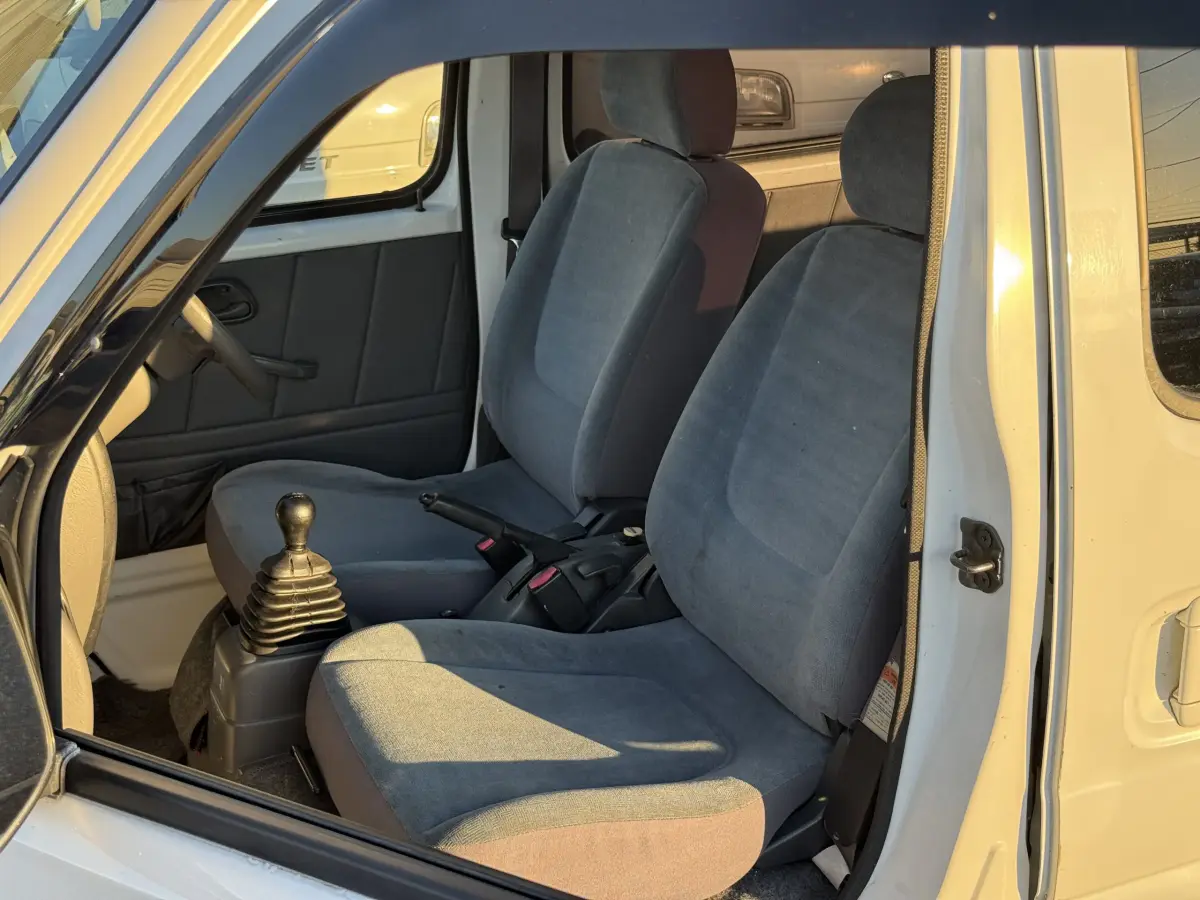
That also means the cosmetics are honest. There are dents. There are scratches. The paint is not perfect. The price reflects all of that. What the price does not reflect is the mechanical condition, because that part is sorted. The engine pulls clean, 4WD engages properly, A/C blows cold, heat works, and the van drives without a single complaint. No mechanical investment required.
The undercarriage was treated with an anti-corrosion coating in Japan, and the body is clean underneath where it counts. This is not a rust project. It is a cosmetic one, if you even want to go there.
The Suzuki Every Join is the better-equipped grade in the Every lineup. With a turbocharged 660cc engine, 4WD, 5-speed manual, and a 350 kg payload rating, it does things no American-market vehicle its size can do. The footprint is small enough to go places a full-size truck cannot, and the drivetrain is overbuilt for the weight it carries.
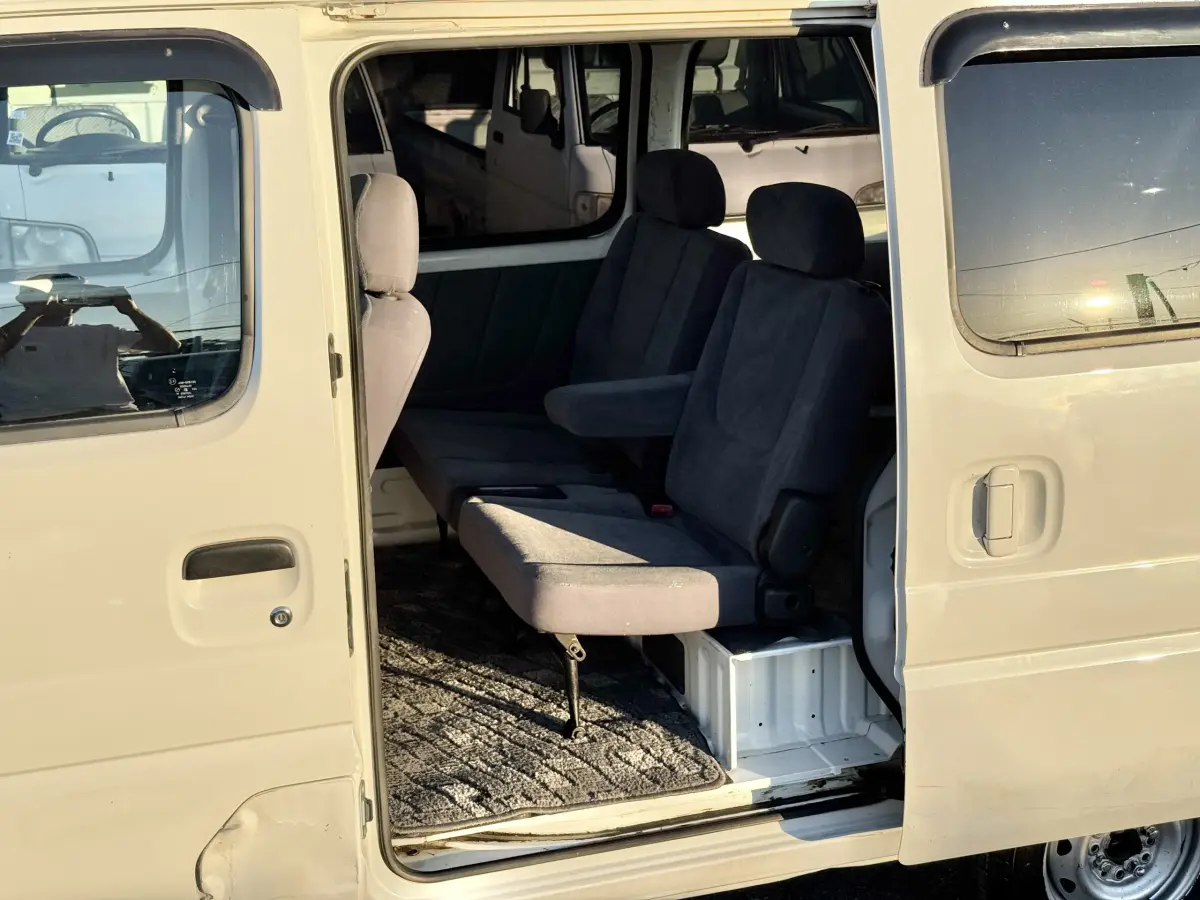
The interior is more spacious than the exterior suggests. The rear seats fold completely flat into a level cargo floor. All seats fold flat into a full sleeping setup from front to back. It works equally well as an overland camper, a farm runabout, a small business hauler, or a base for a kei build.
Mileage is 71,851 km (44,645 miles), which is genuinely low for a 1999.
Interesting Facts
- The Suzuki Every and its platform siblings have been in continuous production in Japan since 1979, making it one of the longest-running kei van lineups in automotive history.
- Kei vehicles in Japan must meet strict government regulations: engine displacement cannot exceed 660cc, length cannot exceed 3.4 meters, and width cannot exceed 1.48 meters. The Every meets all of these and still manages to be genuinely capable off road.
- The turbocharged engine in this Every produces modest horsepower numbers but delivers strong torque relative to the vehicle weight, which is why these vans handle rough terrain and steep grades better than their size suggests.
- In Japan, kei vans like the Every are used daily by farmers, small businesses, and tradespeople who need a reliable, go-anywhere vehicle with real cargo capacity. They are not novelties. They are workhorses.
- The Every was never officially sold in the United States. The only way to own one is to import it, and at 25 years old this one now qualifies for legal import under the 25-year exemption rule.
Key Features
- 1999 Suzuki Every Join
- Chassis DB52V
- 660cc turbo engine
- 5-speed manual transmission
- 4WD
- 350 kg payload rating
- 71,851 km (44,645 miles)
- New tires
- New spark plugs
- New battery
- Cold A/C
- Heat
- LED headlight upgrade
- Rear seats fold flat into cargo floor
- All seats fold flat into sleeping setup
- Anti-corrosion undercoating
- No rust
- Fully serviced before export
- Sold at cost
About Us
We’ve been working with Japanese vehicles for over 25 years. Long before opening our location in the United States, our team was importing and servicing these vehicles in Europe when many of them were still new.
Because of that experience, we know these platforms extremely well. Every model has its own weak points, and we inspect and address them before the vehicle is offered for sale.
All vehicles are serviced at our facility in Japan before shipping. Fluids, belts, filters, batteries, and common failure points are inspected and replaced when necessary.
Unlike many dealerships, we actually drive our vehicles. They don’t sit in a parking lot. Our trucks and cars are used regularly so we can verify reliability before they reach their new owner.
When you buy from us, you’re getting a vehicle that is fully prepared and ready to drive from day one.
JP-TRADE is our first location in the United States, supported by a team of more than 40 people across Europe, Japan, Korea, China, and the U.S.
If you made it this far, here is a little bonus for you.
Why does Japan have a whole category of vehicles that the rest of the world basically ignored?
Kei cars exist because of a 1949 Japanese government regulation designed to get a war-devastated country moving again. The idea was simple: make a class of small, cheap, tax-advantaged vehicles that ordinary people could actually afford. It worked. Seventy-five years later, kei vehicles still make up roughly 40 percent of all new car sales in Japan every year. The rest of the world looked at the concept, decided bigger was better, and moved on. Japan did not.
Description and photos from JP-TRADE USA, from when this truck was for sale.